Last updated: November 02, 2026
Quick Answer: If your irrigation system has enough water but not enough pressure, a booster pump may help, but it should be chosen only after a professional checks the source, the layout, and the head demand. In many systems, the fix is a redesign or repair, not a pump. If you are asking, “Do You Need a Booster Pump for Your Irrigation System?”, start by checking whether weak spray reach, misting, or far-end drop-off is caused by pressure loss or by another fault.
An irrigation booster pump helps when the system has enough water supply but not enough pressure to run sprinklers correctly. If your spray heads barely pop up, mist instead of throw, or the farthest zone collapses while the first few heads look normal, the problem may be pressure. It may also be a bad layout, a clogged filter, a failing well pump, or a municipal supply that will not support the design.
What an irrigation booster pump actually fixes
An irrigation booster pump raises pressure on the irrigation side after the source water enters the system. It does not create more water out of nowhere, and it does not repair a poor sprinkler layout. Think of it as a pressure lift, not a miracle cure, but consult a qualified irrigation professional before adding one. According to the Irrigation Association, system design should match flow and pressure to the application, and the EPA WaterSense program stresses efficient irrigation design and pressure control.
That matters because “low performance” can come from different places. A homeowner on municipal supply might have a backflow preventer, a long run of small pipe, or too many heads on one zone. A homeowner on a private well might have a tired well pump or a pressure tank that is cycling badly. A booster pump only helps when the source can provide enough flow for the demand, but the pressure arriving at the sprinklers is too low. The American Society of Irrigation Consultants and the Irrigation Association both emphasize checking system demand before adding equipment.
A good rule of thumb is this: if the system works acceptably with a hose bib and fails only when the irrigation zone opens, the issue may be in the irrigation design or the pressure path. If the whole property has weak pressure at sinks, showers, and hose outlets, the irrigation system is probably not the real problem.
The word “booster” also gets used loosely. Some products are pressure-boosting pumps for irrigation zones; others are domestic water pressure boosters with controls, tanks, and sensors. Those are not interchangeable. The wrong type can short-cycle, overpressure fittings, or be a poor match for the flow a sprinkler system needs.
For readers planning a larger system, this question belongs in the wider system design and planning conversation. A pressure lift can be part of the answer, but it is only one piece.
The symptoms that point to pressure, not just bad sprinklers
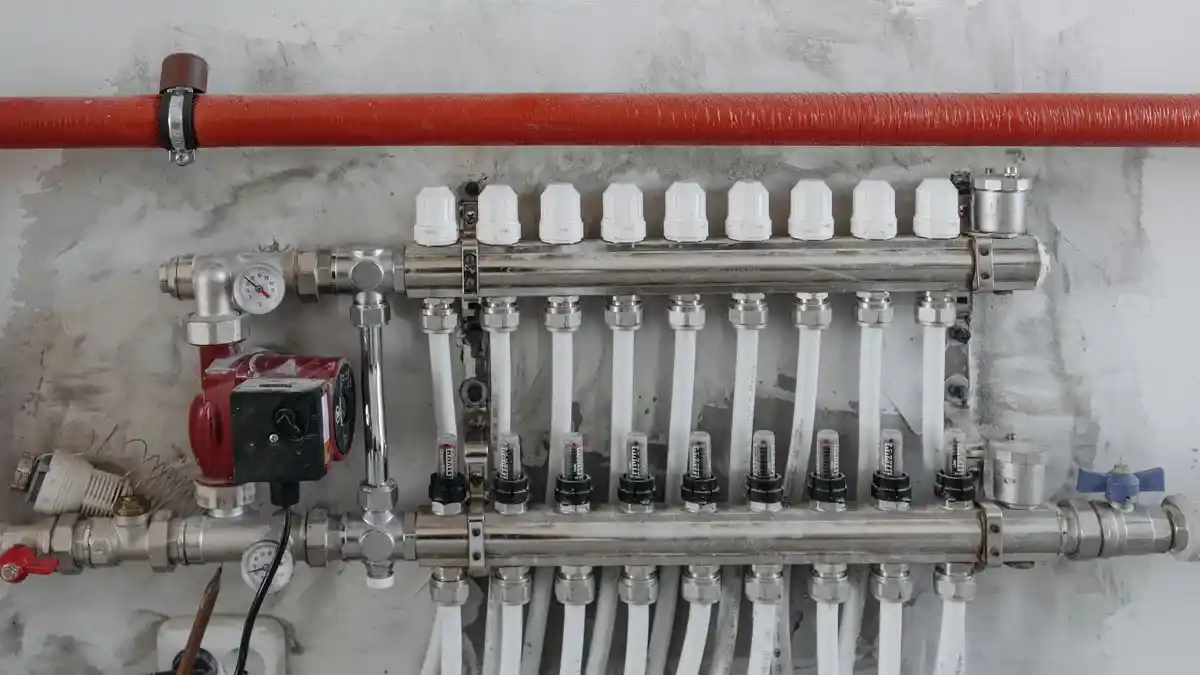
A booster pump is worth considering when the pattern looks like pressure loss, not random sprinkler failure. Low pressure has a shape.
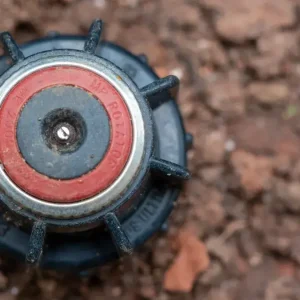
The first clue is weak pop-up height. Spray heads that should rise a few inches barely emerge, or rotor heads turn slowly and never reach their normal throw. Another clue is misting. If the nozzles atomize into a fog, the system may have higher pressure at the head than the nozzle size expects. That is the opposite of what many people assume: too much pressure can waste water just as easily as too little. EPA WaterSense recommends pressure-regulating sprinkler bodies in many systems because excess pressure can create misting and runoff.
The second clue is zone-to-zone inconsistency. The first heads on the line may look fine, while the farthest heads underperform. That usually means pressure is dropping along the run. Sometimes the culprit is pipe friction from long runs or undersized pipe. Sometimes it is a partially closed valve, a clogged filter, or a backflow preventer that adds more restriction than expected.
The third clue is that the system behaves differently at different times of day. Municipal supply can be softer during peak household use or when neighbors are irrigating. If the irrigation only fails in the evening but seems fine late at night, source pressure may be part of the issue. Still, that does not automatically justify a booster. A redesign of the zone count, nozzle choice, or scheduling can solve it without adding equipment that needs power, controls, and maintenance.
A booster pump is usually the wrong fix when the problem is coverage, not pressure. Dry corners, odd spray patterns, or one head that is physically blocked by mulch point to head placement or nozzle issues. A pump will not correct a bad radius, a tilted body, or a buried spray head.
Do You Need a Booster Pump for Your Irrigation System?
You need an irrigation booster pump only if the source can supply enough flow and the irrigation design needs more pressure than the source delivers. That sounds simple, but the decision turns on three things: the water source, the system layout, and the type of heads installed.
Start with the source. A municipal supply may be limited by neighborhood demand, a pressure-reducing valve, or the backflow preventer’s pressure loss. A private well may already have a well pump and pressure tank, which means the irrigation system is downstream from equipment that may need adjustment instead of a second pump.
Then look at the irrigation design. A zone with a few rotor heads may tolerate lower pressure better than a spray zone with fine nozzles. If the system has many heads per zone, long pipe runs, sharp elbows, or a high-elevation section, pressure demand rises. A booster can help, but only if the rest of the design is sound.
Use this decision sequence:
- Check the source type: municipal supply, well pump with pressure tank, or another dedicated source. The source tells you where pressure is being lost.
- Look for the symptom pattern: weak pop-up height, misting, slow rotation, or a zone that fades at the far end. These point to pressure loss rather than broken hardware.
- Rule out simple restrictions: a clogged filter, a partially closed valve, a dirty backflow preventer, or a controller issue. These are cheaper to fix than adding a pump.
- Compare the system layout with the problem zone. Long pipe runs, elevation changes, and too many heads on one zone often mean redesign before boosting.
- Only then consider a booster pump sized for the needed flow and head. A pump that is too small solves nothing; a pump that is too large can create more problems than it fixes.
The hardest part is that a booster pump can hide a design flaw instead of fixing it. If the zone is overloaded, the real answer may be to split the zone, change nozzle sizes, or rearrange the layout. A pump should be the answer to pressure shortfall, not the excuse to keep a bad layout.
Well systems: when the well pump is the issue
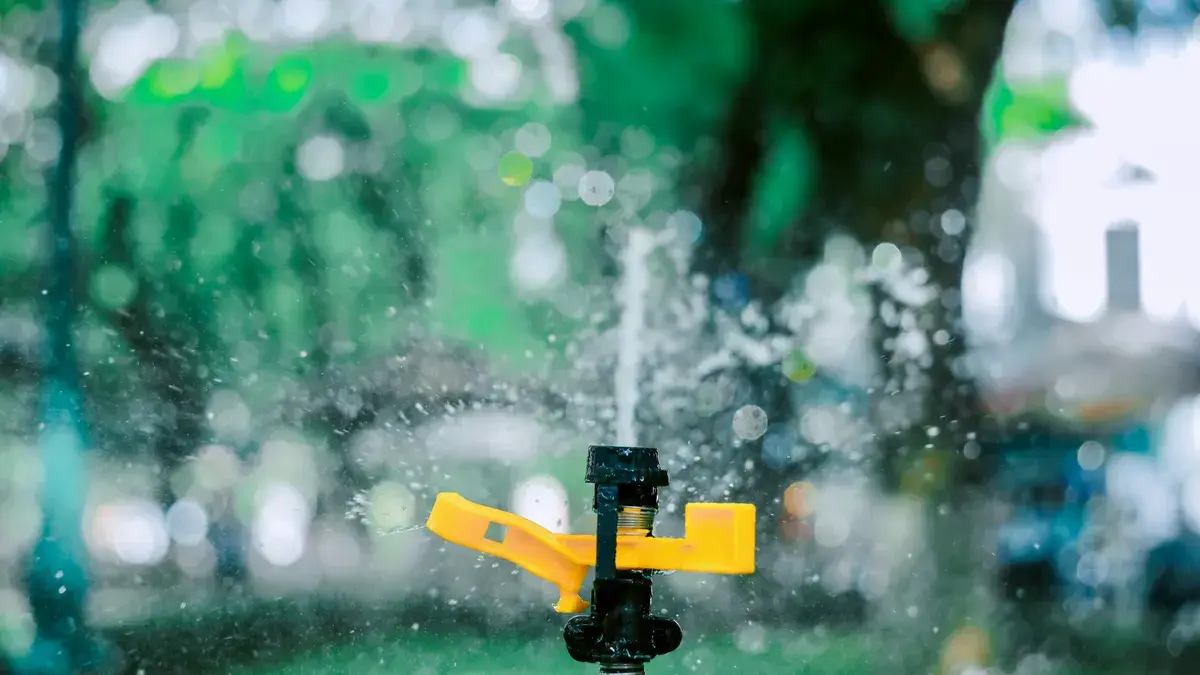
A well irrigation system often needs a different fix than a separate booster pump. If the property uses a well pump and pressure tank, the irrigation system is already depending on a pressure-producing setup. Adding another pump on top of that can be redundant or harmful if the existing equipment is not sized and controlled correctly.
The pressure tank matters because it buffers pressure swings and reduces rapid cycling. If the tank is waterlogged, undersized, or set incorrectly, the pump may short-cycle when the irrigation zone opens. That can damage the pump, wear switches quickly, and make pressure unstable at the heads. In that case, the first repair is often on the well side, not the irrigation side.
A well system also has a natural limit. If the well cannot deliver the flow the irrigation zones demand, a booster pump will not solve the shortage. It may even pull the pressure down faster. That is why the question is not simply “Is pressure low?” but “Is the well producing enough water for the zone demand?” A booster cannot turn a weak source into a strong one.
For homes on wells, the cleaner path is usually:
- verify the pressure tank is healthy,
- confirm the well pump is not undersized or failing,
- make sure the irrigation zones are matched to available flow,
- and only then evaluate whether a dedicated booster makes sense.
If the system already uses a pressure tank and the pump struggles when irrigation starts, a pressure booster is usually the wrong first move. The problem may be a failed bladder, a mis-set pressure switch, or a supply issue in the well itself. In other words, the irrigation system may be revealing a water-source problem, not causing one.
Municipal supply limits and why the backflow preventer matters
A municipal supply can support irrigation and still leave the sprinkler system underperforming. That happens because the path from the street main to the sprinkler heads contains losses, and the backflow preventer is one of the biggest.
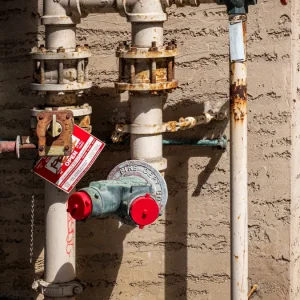
A backflow preventer protects the drinking-water supply, but it also adds resistance. That is normal. The point is not to remove it; the point is to design around it. If the system already has marginal pressure, the backflow device can be the straw that makes the zone fail. That does not mean the device is bad. It means the design margin is too thin.
This is where a booster pump can be useful on municipal supply. If the house pressure is acceptable but the irrigation zone loses too much pressure after the backflow preventer and piping, a booster can restore usable performance. The right booster sits in the right place and is controlled so it starts and stops cleanly with irrigation demand.
The drawback is that municipal systems are not private playgrounds. Some areas have rules about adding pumps, and some booster setups create noise, water hammer, or pressure spikes if they are installed poorly. A pump that helps one zone can also reveal weak fittings elsewhere in the line. That is why a booster is a system decision, not a single-part purchase.
If the source pressure is already low at the street or at the house entry, a booster may still help, but only after the source path is understood. If the issue is simply that the irrigation zones are too demanding for the available supply, redesign is often cheaper and cleaner than adding a pump that compensates for an overbuilt system.
How to size a booster pump without guessing
A booster pump should match both pressure need and flow need, not just one of them. That is where many homeowners go wrong. A pump with high pressure and low flow may make the first head look stronger while starving the rest of the zone.
The practical sizing job starts with the system’s demand. Each sprinkler zone needs a certain flow at a useful pressure. The pump must deliver that flow after accounting for pipe loss, elevation change, the backflow preventer, and fittings. A pump curve matters here. The curve shows what the pump can do at different pressures and flows; it is the map, not the marketing label.
A capable installer will usually look at:
- the number and type of heads in the zone,
- the elevation difference from source to highest point,
- the length and diameter of pipe runs,
- the resistance added by filters and backflow devices,
- and whether the system needs constant pressure or can tolerate some fluctuation.
Do not choose a pump by horsepower alone. Horsepower does not tell the whole story, and bigger is not safer. A pump that is too aggressive can overshoot the system, hammer fittings, and create misting at the heads. A pump that is too small runs hot, cycles often, and wastes money without fixing coverage.
One more trap is assuming a booster can make up for undersized pipe. It cannot erase friction loss. If the pipe is too small for the flow the zone wants, the pressure drop will still happen. That is why sizing and redesign often belong together. A booster may be part of the fix, but it should not be the only thought.
What to fix before buying a booster pump
Fix the source or the design first if the problem is not clearly pressure-related. That usually saves the most money and prevents a pump from masking the real fault. A quick inspection and a simple pressure check can save a homeowner from buying the wrong equipment.
Start with the obvious restrictions. A clogged nozzle, a dirty filter, a valve that is not fully open, or a backflow preventer with debris can all cut performance. These are common and cheap to correct. Next, check whether the zone is overloaded. If too many heads are sharing one valve, a booster will only push a flawed design harder.
Then compare the symptom to the source:
- If indoor fixtures are weak too, the home water supply may be the issue.
- If only one zone is weak, the layout or valve path is more likely.
- If only the farthest heads are weak, friction loss or elevation is probably involved.
- If spray heads mist, pressure may be too high, not too low.
A booster pump is wrong for a reader whose issue is coverage, clogged hardware, or a badly planned zone count. It is also the wrong first purchase for a well system that needs a healthy pressure tank or a better well pump. In those cases, adding pressure downstream only treats the symptom, so consult a qualified professional before buying equipment.
The honest verdict is this: an irrigation booster pump is useful when the source is sound, the design is reasonable, and pressure still falls short at the heads. If those conditions are not true, redesign or source repair is the better answer. That is the cleaner, cheaper path for most homeowners.
Key takeaways
- A booster pump raises pressure; it does not fix poor layout or low water supply.
- Weak pop-up height, misting, and far-end drop-off are pressure clues, but not proof.
- Well systems often need well-pump or pressure-tank repair before any booster is added.
- Municipal systems may lose pressure at the backflow preventer or through long pipe runs.
- Pump sizing should follow zone demand, elevation, and friction loss, not horsepower alone.
- If the real problem is clogged parts or an overloaded zone, a booster is the wrong fix.
When does irrigation need a booster pump?
Irrigation needs a booster pump when the source can supply enough flow but not enough pressure for the zone to perform correctly. That usually shows up as weak spray reach, slow rotor movement, or poor coverage at the far end after simple restrictions have been ruled out. If the source itself is weak, a booster is not the first answer.
Can a booster pump fix low sprinkler pressure?
Yes, but only when low pressure is the real problem and the system is otherwise sound. A booster pump can help after a backflow preventer, on a long municipal run, or where elevation steals pressure. It will not fix clogged nozzles, undersized pipe, or a zone that already asks for more flow than the source can supply.
Is a pump needed for a well irrigation system?
Not always, because a well irrigation system often already depends on a well pump and pressure tank, so the first repair is usually on that equipment. If the pressure tank is failing, the pump is undersized, or the well cannot deliver enough flow, a booster may be the wrong solution. The well side should be checked first.
Drafted with AI; not yet reviewed by a person.