Last updated: November 05, 2026
Quick Answer: Most irrigation systems need a backflow preventer that matches the layout, hazard level, and local code. For many sprinkler systems, that means a pressure vacuum breaker (PVB), a double check valve assembly (DCVA), or a reduced pressure zone assembly (RPZ).
In short: your irrigation system usually needs a backflow preventer chosen by layout, hazard level, and local utility code, not by guesswork. For many sprinkler systems, the decision comes down to a pressure vacuum breaker (PVB), a double check valve assembly (DCVA), or a reduced pressure zone assembly (RPZ). The answer is often one device, not three. The code decides which one.
Key Takeaways
- The right device is the one your irrigation layout and local code permit.
- A pressure vacuum breaker is often used for standard systems when elevation rules fit.
- Your irrigation system needs the device your local code allows for its hazard level.
- A short code check usually narrows the choice fast.
A wrong choice can mean a failed inspection, an illegal installation, or a system that does not provide enough cross-connection protection for drinking water. The right choice depends on where the device sits, whether the system has fertilizers or other contaminant sources nearby, and what the utility code allows on that property. In many areas, annual testing also applies to testable assemblies.
The right backflow preventer depends on your layout, not just your sprinklers
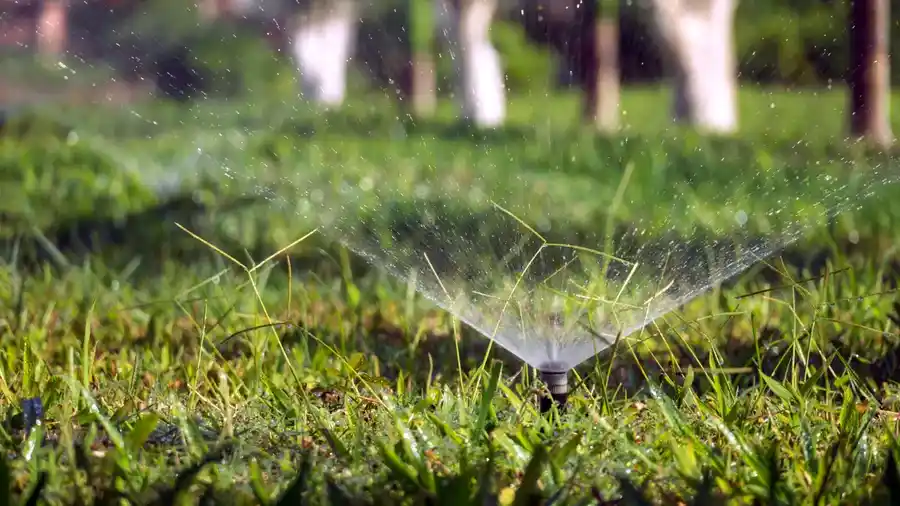
The right device is the one your irrigation layout and local code allow. A simple lawn system on potable water may be fine with a pressure vacuum breaker, while a more exposed or higher-hazard setup may require a double check valve assembly or an RPZ. The key issue is not the number of zones; it is the risk that contaminated water could be drawn back into the supply. In backflow prevention, risk matters more than sprinkler count.
A generic article often skips the thing that matters most: the device has to match both the plumbing arrangement and the hazard category. A device mounted in the wrong place may still protect against some backflow conditions, but fail code because it cannot be tested, drained, or kept above the highest downstream outlet. That is why the same yard can have two possible answers on paper and only one answer once the utility’s rules are applied.
The American Backflow Prevention Association and local water suppliers both treat irrigation as a cross-connection risk because sprinkler lines can sit in soil, fertilizer, and standing water; for the exact device, consult the local utility or a licensed backflow professional, and check the supplier rules and ABPA guidance before you buy. That does not mean every system needs the same device. It means the device has to block reverse flow under the conditions your property creates. See the ABPA site and your water supplier’s cross-connection program for current guidance. (Source: ABPA)
If the system ties to a potable water line, the decision starts with three questions:
- Is the device allowed to be installed outdoors?
- Is the device required to be testable?
- Does the hazard level call for a reduced-pressure design?
Those questions narrow the field fast. They also keep the choice grounded in the utility code, which is the rule set that usually decides what is acceptable on the site. If the code is unclear, the water purveyor or a licensed irrigation/backflow professional is the place to confirm the device type before any parts are ordered. The EPA also points homeowners to local cross-connection control programs for this step. EPA cross-connection control
Which device is usually used: PVB, DCVA, or RPZ?
A pressure vacuum breaker is often used for standard irrigation systems that can be installed above the highest downstream outlet and that do not need protection against backpressure. It is a common answer for lawn sprinklers because it is designed for outdoor use and is straightforward in concept: it protects against siphoning backward into the potable line. For many homes, that makes the PVB the first device to check against local rules.
A double check valve assembly is used when the system needs check-valve protection against backflow, but the hazard level is not high enough to require a reduced-pressure device. It is a more flexible indoor-or-enclosed option in many jurisdictions, though exact placement rules vary. The DCVA is not the universal sprinkler answer some people assume it is. In some codes it is acceptable for irrigation; in others, it is not permitted for high-hazard cross-connections. (Source: IAPMO)
An RPZ gives very strong protection of the three listed here and is often used where the utility code treats the irrigation system as a higher hazard. It includes a relief port that discharges if the internal pressure relationship fails. That makes it a serious device, but also a fussier one: it is typically more sensitive to installation conditions, drainage, and maintenance than a PVB. Because local rules vary, confirm the exact requirement with the utility or a backflow tester before selecting it.
Think of the choice this way:
- PVB: common for outdoor irrigation, when code allows it and the layout fits.
- DCVA: used where double-check protection is acceptable and a PVB is not the right fit.
- RPZ: chosen when the hazard level or code demands the highest level of protection.
The trade-off is simple. More protection usually means more complexity, more inspection requirements, and sometimes more installation constraints. A PVB is not the answer if the code requires an RPZ. An RPZ is not the default if a PVB is perfectly acceptable. The right selection follows the code, then the layout, then the hazard. Irrigation system design
For a deeper planning sequence, the system-design and planning hub can help frame the decision before parts are selected.
What backflow preventer does your irrigation system need?
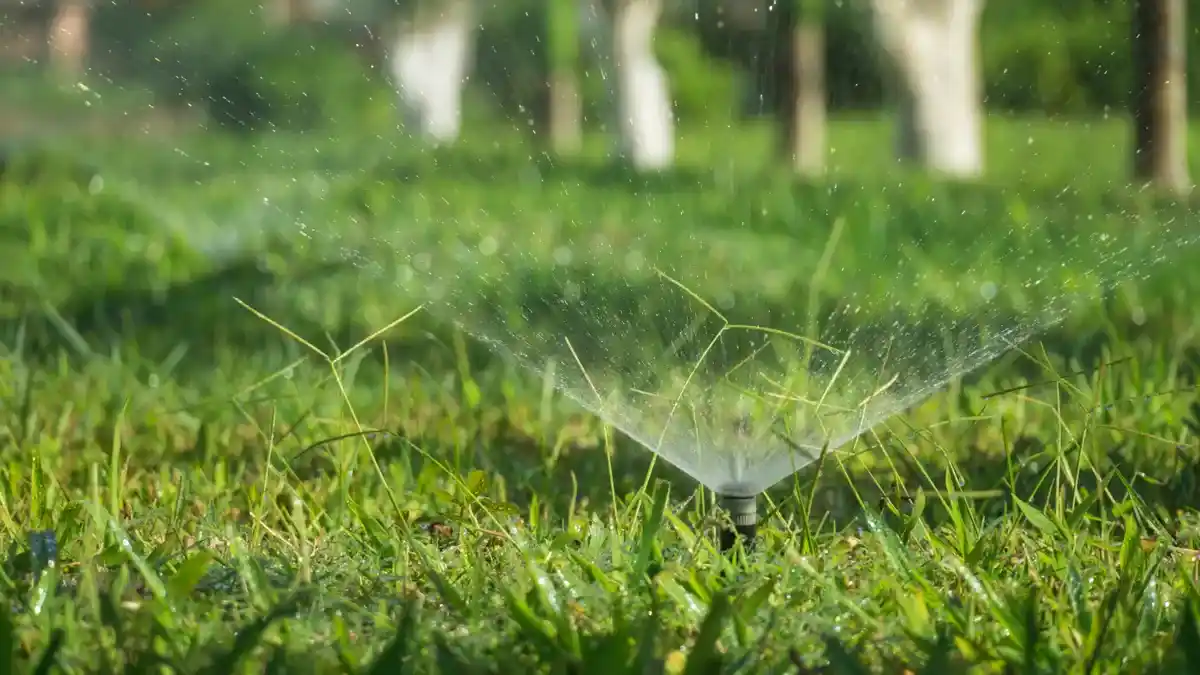
Your irrigation system needs the device that your local code allows for its hazard level and installation conditions. In many residential sprinkler systems that means a pressure vacuum breaker; in some cases it means a double check valve assembly; in higher-hazard or stricter-code situations it means a reduced pressure zone assembly.
That is the shortest honest answer. The longer answer is that the device type often turns on details a homeowner does not see at first glance. A sprinkler system fed from potable water, with no chemical injection and a layout that permits outdoor mounting above the highest outlet, is a very different case from a system with fertigation, unusual elevation changes, or a utility that prohibits atmospheric vacuum breakers and similar devices. The EPA and local water suppliers both stress that the exact device depends on the connection and the hazard.
The terms matter:
- Cross-connection protection means stopping any chance that irrigation water can move backward into drinking water.
- Backpressure is reverse flow caused by pressure on the downstream side.
- Backsiphonage is reverse flow caused by negative pressure in the supply.
A PVB mainly addresses backsiphonage, not every imaginable reverse-flow scenario. A DCVA offers check-valve protection, while an RPZ is designed to create a fail-safe pressure differential and discharge when something goes wrong. That is why “best” is the wrong word here. The correct question is “what does code require for this exact system?”
A good rule of thumb is to read the system like a utility inspector would. If the device must be above grade, protected from freezing, and able to drain, a PVB may be the practical answer. If the code treats the irrigation system as a higher hazard, or if the installation cannot meet the elevation requirements for a PVB, the answer may move to a DCVA or RPZ. If there is any uncertainty, the water supplier’s requirements matter more than a general online diagram.
This is also where many people go wrong: they choose a device by price or by what another house uses. That can be a costly mistake. A code-legal device that fits the property is cheaper than replacing a prohibited one after inspection. On many sites, the replacement cost is far higher than the difference between devices.
Follow this decision path before you buy parts
The correct device can be narrowed with a short sequence of checks. Start with the code, then the layout, then the hazard. Do not start by shopping for the cheapest box on the shelf.
- Confirm the utility code. Call the water purveyor or check the local cross-connection rules for the exact device types allowed on irrigation service. The result you want is a list that names PVB, DCVA, RPZ, or any prohibited type. Many utilities publish this online.
- Identify the water source. If the irrigation system connects to potable water, you are choosing a backflow preventer for drinking-water protection, not just a sprinkler accessory. The result should be a clear note on whether a cross-connection review is required.
- Check the installation position. A PVB usually needs to sit above the highest downstream outlet; if the site cannot support that, the answer may shift to another assembly. The result is a device type that matches gravity and elevation, not just pipe size.
- Assess hazard level. If fertilizers, injectors, or other contamination risks are part of the system, the code may require stronger protection. The result should be a higher level of protection if the irrigation setup presents a higher hazard.
- Match the device to maintenance access. An RPZ and many testable assemblies need room to inspect and service. The result is a device you can actually maintain without burying it in a box that blocks drainage or access.
- Choose the final assembly size. The backflow preventer must match the line size, often 3/4 inch, 1 inch, 1 1/4 inch, or larger depending on the service. The result is a device that does not choke the irrigation main or force a mismatch with the piping.
This sequence keeps the decision grounded. It also avoids a common trap: buying a device before knowing whether the code even allows it. The part number is the last step, not the first.
Common mistakes that turn a good sprinkler plan into a failed inspection
The biggest mistake is treating every irrigation system as if it needs the same backflow device. That mistake can lead to a failed inspection and the cost of swapping out a brand-new assembly. The fix is simple: match the device to the utility code and the site conditions before purchase. Local inspectors usually check that first.
Another frequent error is putting a pressure vacuum breaker where the elevation rules do not allow it. A PVB installed too low or below downstream outlets may not meet the conditions it needs to protect properly. The cost is not just a citation; it can mean a device that has to be moved after the trench is closed and the landscape is finished. That repair can be expensive once the site is landscaped.
A third mistake is assuming a double check valve assembly is always acceptable because it sounds technical and protective. In some places it is fine for irrigation; in others, it is not the correct device for the hazard level. The fix is to verify whether the utility code allows DCVA for that service. A call to the water purveyor can settle it quickly.
A fourth mistake is choosing an RPZ without planning for drainage and access. The assembly is more protective, but it can also discharge water if something fails. If that discharge has nowhere to go, the installation becomes a nuisance or a problem. The cost is a maintenance headache and sometimes a rework. A drain plan matters as much as the device.
One more issue appears often in homeowner planning: confusing pressure concerns with backflow concerns. A sprinkler system may need a pressure regulator for performance, but that does not replace a backflow preventer. Those are different devices with different jobs.
A simple rule helps: if the choice is being made to save a small amount now, but might fail a utility inspection later, it is the wrong choice. The better move is to buy the assembly that fits the code first, then size and place it correctly.
What the utility code usually decides for you
The utility code usually decides whether a PVB, DCVA, or RPZ is allowed, and that code is more specific than most product descriptions. A manufacturer may say a device is “suitable for irrigation,” but the local cross-connection rules decide whether it is suitable for your address.
That is why a standard like ASSE 1013 matters only as part of the picture. It identifies a class of testable backflow preventer, but it does not override local requirements. A product can meet a standard and still be the wrong answer for the property if the water supplier prohibits that device type for the application. The standard is useful, but it is not the final word.
This is the part many generic guides leave out: code is not one single national rule applied identically everywhere. A utility may require annual testing for a testable assembly, specify a particular installation height, or restrict certain devices on irrigation lines altogether. Those requirements are not decorative. They are the decision. Many utilities also require a licensed tester, usually on a yearly cycle.
If the property is in a jurisdiction with strict cross-connection control, the safest path is to ask one direct question: “What backflow preventer do you allow for this irrigation service?” That question usually gets a cleaner answer than asking about “the best one.” The response may name a PVB, a DCVA, or an RPZ, and it may also name a required certification or inspection interval.
When code and layout agree, the decision gets easy. When they disagree, code wins. That is not a nuisance; it is the whole point of cross-connection protection.
For a homeowner or property manager, the practical takeaway is this: do not order based on a catalog picture. Order based on the device type the utility code permits for your exact irrigation system, then make sure the installation can support that assembly’s elevation, drainage, and service needs.
The shortest reliable answer for most sprinkler systems
The most common answer for a standard residential sprinkler system is a pressure vacuum breaker, but that is only true when the layout and utility code allow it. If the property cannot meet the PVB’s installation rules, the answer may shift to a double check valve assembly or, in higher-risk situations, a reduced pressure zone assembly.
That is the judgment call in one sentence: pick the device that satisfies both cross-connection protection and the local utility code, not the one that seems easiest to buy. A PVB is often the first place to look for ordinary irrigation. A DCVA is the next possibility when the code permits it and the site needs a different configuration. An RPZ is the stronger, more demanding choice when the hazard level calls for it.
If the answer is still unclear after checking the code, that is a sign to stop and confirm before buying fittings. The wrong backflow preventer is not a minor mismatch. It is a rejected inspection, a possible code violation, and a sprinkler system that is not approved to protect the drinking water line.
Which backflow device is required for sprinklers?
The required device is the one your utility code names for your exact sprinkler setup. In many residential cases that is a pressure vacuum breaker, but a double check valve assembly or reduced pressure zone assembly may be required depending on hazard level and installation conditions. The code, not the catalog, is the final authority.
Do all irrigation systems need backflow prevention?
Yes, any irrigation system connected to potable water needs cross-connection protection. The exact device can differ, but the need for backflow prevention does not disappear just because the system is small or residential. The local utility may still require a specific assembly and inspection rules for it.
What is the difference between a pvb and an rpz?
A pressure vacuum breaker mainly protects against backsiphonage, while a reduced pressure zone assembly provides a higher level of protection and is designed to relieve pressure if the internal mechanism fails. An RPZ is usually the more demanding device to install and maintain, but it is also the more protective choice when code requires it.
Drafted with AI; not yet reviewed by a person.