Last updated: November 12, 2026
Quick Answer: For steep side grades, the safest starting point is a slope irrigation design that uses pressure-regulated heads, check valves, matched precipitation nozzles, and cycle-and-soak timing, with separate zones when the top and bottom of the slope behave differently. That usually means 3 to 7 minute cycles, 30 to 60 minute soak periods, and a layout tuned to runoff, not just coverage.
Steep side grades run off fast, so the wrong irrigation design wastes water and feeds erosion. Choose pressure-regulated heads, check valves, and short cycle timing before you choose anything else. In How to Choose an Irrigation Design When Your Property Has Steep Side Grades, the sections below settle what to use, what to avoid, and how to build a slope irrigation design that actually stays on the hill.
What makes steep side grades different in slope irrigation design?
Steep side grades need a design that fights gravity, not just a sprinkler pattern. On a sloped side yard, water moves downhill the moment it lands, so the real problem is runoff, not coverage on paper. That means the most effective design is the one that slows the water down and keeps each zone matched to the slope.
Picture this: you’re looking at a side yard that falls away from the house, and the top of the slope dries out while water pools near the bottom. A normal layout can look fine in a sketch and still fail in the first 10 minutes. The fix starts with the slope itself, not the lawn type.
Here’s the catch:
- Water on a steep grade often leaves the zone before it soaks in.
- Head-to-head coverage alone does not solve runoff.
- Soil type matters, but grade changes the game first.
If the slope is short and fairly sharp, plan for more controlled application, not more water. A design that works on flat turf can be a bad fit on a side grade because it pushes too much water too fast. For a deeper framework, the hub on system design and planning — The Complete Guide covers the bigger picture without repeating the slope-specific choices here. For broader irrigation guidance, the EPA’s WaterSense program explains why efficient scheduling and matched application matter: https://www.epa.gov/watersense.
What irrigation parts work best on steep side grades?
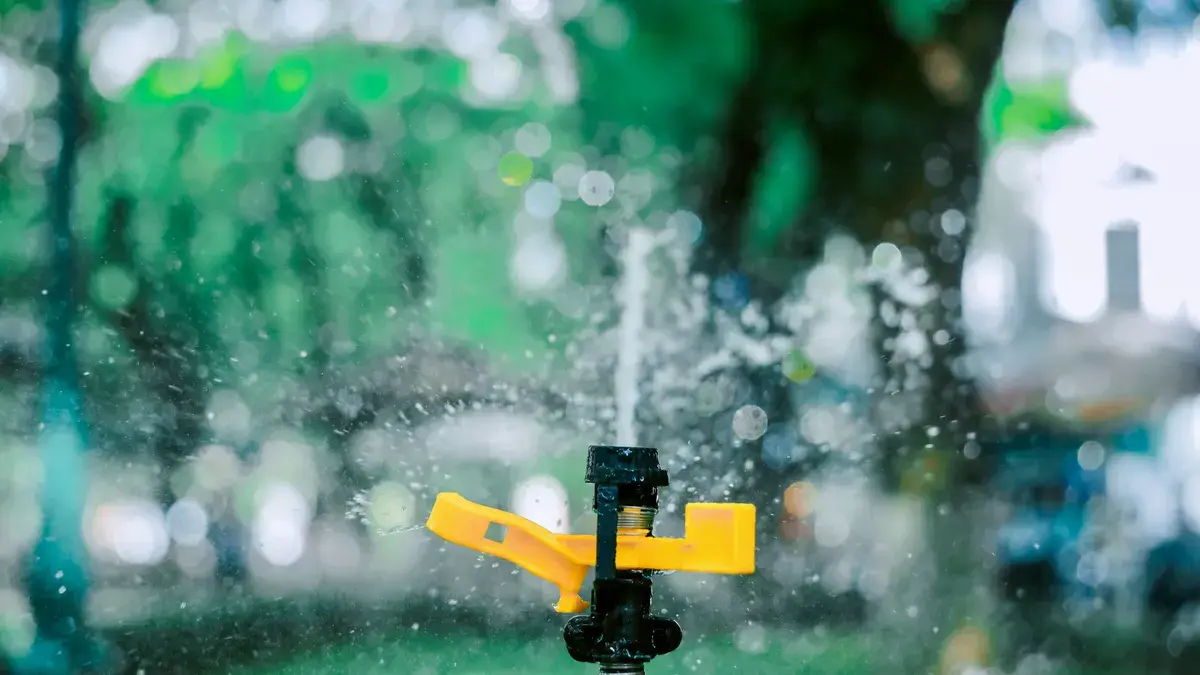
The most reliable parts are pressure-regulated spray heads, check valves, and matched precipitation nozzles. Those three choices give the water a better chance to soak in before it runs downhill. A side grade is not the place for random nozzle mixes or high-pressure overspray.
Pressure-regulated heads matter because excess pressure can mist the water, throw it too far, and create uneven wetting. Check valves help keep low points from draining after the zone shuts off, which cuts the ugly wet streak that often starts erosion. Matched precipitation keeps each head applying water at the same rate, so one spot does not flood while another stays dry.
What to look for:
- Pressure-regulated heads to keep output steady.
- Check valves in low spots or where lines drain downhill.
- Matched nozzles so all heads in a zone apply water at the same pace.
- Low-angle or shorter-throw patterns where overshoot would waste water.
Do not assume a stronger sprinkler is better on a slope. Stronger often means faster, and faster means more runoff. That trade-off is brutal on side grades. For product-specific setup details, follow the manufacturer’s pressure and application guidance rather than guessing.
How do you stop runoff on a sloped side yard?
You stop runoff by applying less water per cycle and giving the soil time to take it in. The design answer is cycle-and-soak, which means running the zone in short bursts with rest periods between them. That is the cleanest way to handle a steep side grade without turning the bottom of the slope into a wet strip.
Picture this: you’re watching water start to travel downhill before the zone even finishes. That’s the signal that the application rate is too high for the slope. Shorter runs fix that more often than bigger heads do.
Use this basic procedure:
- Set the zone to a short first cycle, often 3 to 7 minutes, so the surface does not saturate at once.
- Leave a soak period of 30 to 60 minutes if the soil seals or the water starts to move downhill.
- Repeat the cycle until the top 2 to 4 inches of soil is wet, not glossy or slick.
- Watch the first 2 or 3 irrigations after setup and trim the run time before you add more flow.
- Keep the same schedule for that slope zone instead of borrowing times from the rest of the yard.
The best approach here is usually short cycling, because it reduces runoff, limits puddling at the toe of the slope, and gives roots a better shot at growing deeper. A single long run often does the opposite.
For this kind of side grade, I also like to see the zone split if the top and bottom of the slope behave differently. One zone that is half dry and half soggy is a design problem, not a watering problem. The Irrigation Association’s scheduling guidance supports matching run times to site conditions rather than using one flat-yard timer for everything.
Should you split the slope into separate irrigation zones?
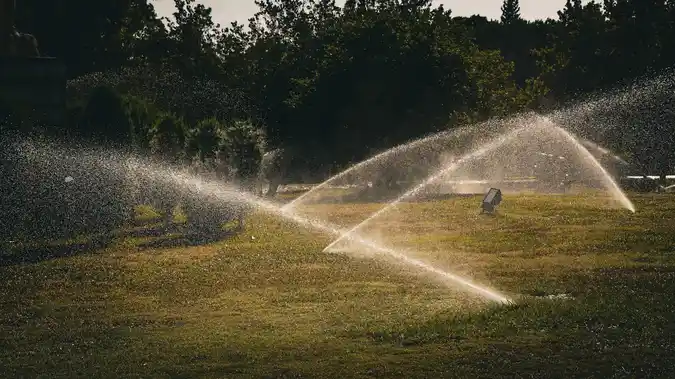
Yes, if the top and bottom of the slope soak at different rates, split them into separate zones. A side grade often has two very different water behaviors: the upper part dries faster, and the lower part catches runoff. One timer setting cannot usually serve both well.
Picture this: you’re trying to water a slope where the top is thin and sunny, while the bottom holds moisture longer and starts to puddle. If both areas are on one valve, you end up watering the wrong part too much just to keep the dry part alive. Separate zones give you control.
A split zone makes sense when:
- The upper area and lower area need different cycle lengths.
- The soil changes from top to bottom.
- The slope is steep enough that water visibly moves during a single run.
- One section has more sun, wind, or compaction.
This is where many generic layouts fail. They treat the whole side yard like a flat rectangle and then wonder why the bottom looks soggy. A better design follows the slope’s behavior, not the property line. If the grade is extreme, the line set and valve plan may need more than a simple reschedule. If you are unsure, consult a qualified irrigation professional before dividing the system.
One caution: don’t split zones just because it sounds neat. Every added zone needs a valve, wire, and controller channel. That is fine when the slope truly needs it, but it is wasted complexity when the problem can be solved with check valves and better cycle timing.
How should pressure and nozzle choice change on steep grades?
Pressure should be controlled, and nozzle choice should favor slower delivery. On steep grades, the goal is not to throw water farther; it is to place water where it can soak in. That usually means pressure-regulated bodies paired with nozzles that keep the application calm and even.
Picture this: you’ve got a side yard where the heads at the top are fogging in the wind and the bottom is getting hammered. That’s a pressure problem as much as a slope problem. A lower, steadier output is easier for the soil to absorb.
Use these rules:
- Keep the zone pressure in the range the head maker calls for, not “as high as possible.”
- Favor heads that apply water uniformly, not fast.
- Avoid oversized nozzles that dump too much too quickly.
- Match the nozzle to the throw distance so water lands on target instead of drifting downhill.
Pressure regulation also helps the system stay predictable as the zone ages. On a slope, unpredictability shows up fast: puddles at the bottom, dry patches at the top, and patchy turf in between. If the pressure is unstable, the slope will expose it. Toro, Hunter, and Rain Bird all publish pressure and nozzle specifications that can help confirm the right operating range.
One good design habit is to favor smaller, more targeted coverage on the slope edge rather than trying to blast a long reach across the grade. That keeps the application rate saner and makes the cycle-and-soak method work better.
What design mistakes cost the most on steep side grades?
The most expensive mistake is a flat-yard layout that ignores gravity. That mistake costs you in runoff, erosion, dead patches, and a controller schedule that never quite fits. On a side slope, the common failures are easy to spot and hard to ignore once they start.
Picture this: you’ve installed the system, but water is racing downhill after every cycle and carving channels in the soil. The lawn at the bottom gets wet, the top stays stressed, and the slope starts to move dirt. That is not a tuning issue alone; it is a layout issue.
The biggest mistakes are:
- Too much output in one cycle, which creates runoff.
- No check valves at low points, which lets lines drain downhill.
- Mixed nozzle types in one zone, which makes application uneven.
- One-zone treatment for top and bottom slope areas, which forces one schedule to serve two different conditions.
- Long run times copied from flat turf schedules.
The cost is not just water waste. Runoff can carry soil downhill, expose roots, and leave thin turf that needs reseeding or repair. That repair work is often far more expensive than the design decision that would have prevented it.
The truth is, steep side grades usually reward restraint. A slower, simpler, better-matched design beats a flashy one almost every time.
Which materials and standards should guide the final design?
The final design should follow the manufacturer’s pressure range, local irrigation rules, and professional standards for head spacing and backflow protection. For technical guidance, the Irrigation Association and manufacturer specification sheets are the right references, and backflow requirements usually come from local code. That keeps the system legal, safe, and easier to tune.
Picture this: you’re ready to install or redesign, but you want a plan you can hand to a pro or use for a permit conversation. A slope-specific design is strongest when it follows a known standard instead of a guess.
Useful references include:
- Irrigation Association best-practice guidance for design and scheduling.
- Manufacturer data sheets for each head’s pressure range and application rate.
- Local plumbing or irrigation code for backflow and valve requirements.
This is also where a good designer checks that the system can be adjusted later. Side grades often change behavior after the first few weeks of watering, especially when soil settles or turf roots start growing. A design with accessible valves and a clear zoning plan is easier to tune.
If the slope is severe, unstable, or part of a retaining structure, a qualified irrigation pro or landscape contractor should review the layout before installation. That is not because every slope is dangerous. It is because the cost of a bad layout on a steep grade shows up fast and usually downhill.
Key Takeaways
- Steep side grades need slower water delivery, not stronger spray.
- Pressure-regulated heads and check valves are not extras; they are part of the fix.
- Cycle-and-soak beats one long watering run on sloped ground.
- Split zones when the top and bottom of the slope behave differently.
- If the design ignores runoff and erosion, the lawn pays for it later.
What makes side slopes harder to irrigate?
Side slopes are harder because water moves downhill before it can soak in. That means the upper part of the slope can dry out while the lower part gets too much water. Runoff and erosion become design problems, not just watering problems.
Do steep grades need special sprinkler heads?
Steep grades often need pressure-regulated heads, and they work best with matched nozzles and check valves. The goal is even, slower application that the soil can absorb. A standard flat-lawn setup can waste water and make runoff worse on a slope.
How do you stop runoff on a sloped side yard?
Use short watering cycles and rest periods so the soil has time to absorb each burst. Check valves help keep low spots from draining, and separate zones can keep the top and bottom of the slope from fighting each other.
Drafted with AI; not yet reviewed by a person.