To choose an irrigation pressure regulator for different water supplies, match the incoming pressure to the zone type and the outlet pressure the zone needs.
Choose the regulator by matching incoming pressure to the zone’s working pressure, not by buying the first fixed model you see.
The steps below sort out fixed vs. adjustable, where to install it, and what to do with sprinkler and drip zones.
Key Takeaways
- Match the regulator to the zone, not the whole yard.
- Spray zones and drip zones usually need different outlet pressures.
- A fixed regulator is simpler; an adjustable one gives more control.
- Put the regulator where the pressure drops before the zone starts.
- A gauge helps confirm the setting, but it does not replace the right part.
Our Top 3 Picks at a Glance
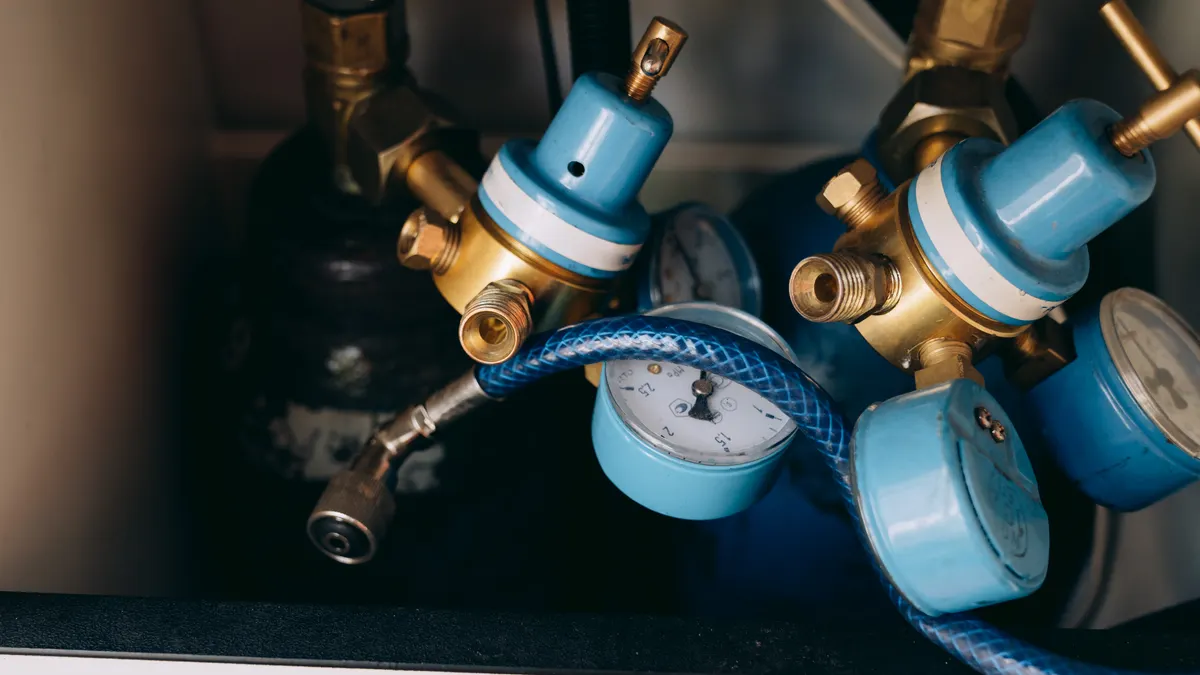
-
1 Best Overall: Fixed irrigation pressure regulator — best for a single zone with a known target pressure.
Last updated: November 12, 2026
-
2 Best Budget Pick: Inline fixed regulator — best when you want a simple drop in pressure near one valve.
-
3 Best Heavy-Duty / Upgrade Pick: Adjustable pressure regulator — best when different zones or changing supply pressure call for more control.
| Product / Option | Best For | Core Spec | Standout Feature | Action |
|---|---|---|---|---|
| Fixed irrigation pressure regulator | Simple sprinkler or drip zones | Pre-set outlet pressure | Few adjustments, predictable result | Choose if your zone design already calls for one pressure |
| Inline fixed regulator | One valve, one zone | Installed in the line feeding that zone | Compact and easy to place near the sprinkler valve | Choose if you want a basic, low-fuss setup |
| Adjustable pressure regulator | Mixed zones or changing supply | Set by turning an adjustment screw or knob | Can be tuned to match different downstream needs | Choose if you need one device to cover more than one condition |
Choose the regulator from the zone, not the main line
You choose an irrigation pressure regulator by starting with the zone type, the incoming water pressure, and the point where pressure should drop.
That order matters because a sprinkler valve and a drip irrigation line do not want the same outlet pressure, even if they share the same source.
Picture this: you have a municipal supply feeding a sprinkler valve on one side of the yard and drip tubing on the other. The line pressure may be fine for the main pipe, but not for the emitters or spray nozzles. A good regulator protects the weak point, not the whole system blindly.
Start with these three facts:
- The supply pressure at the source.
- The pressure the zone needs at its inlet.
- The location where the regulator can control that drop before the zone starts.
A pressure gauge gives you a number to work with. The regulator choice then follows from that number plus the zone design. If the outlet is too high, spray patterns get misty and drip parts wear faster. If it is too low, spray heads may not throw far enough and drip lines may underfeed long runs.
Use this simple rule
- Spray zone pressure needs call for a regulator matched to the nozzle and head design.
- Drip zone pressure needs are usually lower and more sensitive to overshoot.
- Mixed systems need separate regulation if the working pressures differ.
A regulator does not fix bad pipe sizing or bad layout. It only manages pressure. That distinction saves a lot of wasted parts.
What pressure does your water supply send?
Your water supply sets the ceiling, and the regulator should trim pressure from there without starving the zone.
Here the source can be a municipal main, a booster-fed system, or a private well, and each behaves differently at the valve.
Picture this: the supply pressure changes during the day, or the pump cycles on and off. A fixed regulator can still work, but only if the variation stays inside the range the downstream zone can tolerate. If the source swings a lot, an adjustable regulator gives you more room to tune the output.
Use the source type as a clue:
- Municipal supply: often steadier, but can vary by street, time of day, and household demand.
- Well supply: can shift with pump settings and tank behavior.
- Booster-fed supply: may push pressure higher than the zone needs, especially near the start of the line.
A pressure gauge mounted near the service point or on the zone line helps you see whether the supply is already close to the target. If the supply is already near the needed outlet pressure, a regulator with a small drop may be enough. If the source is much higher, the regulator must handle a bigger reduction without losing control.
Two common mistakes show up here. First, people buy a regulator by brand name and ignore the supply. That leads to weak coverage or cracked fittings later. Second, they use one setting for every zone. That works only when the downstream design is identical, which is rare.
Ask these 3 questions before buying
- Is the source pressure steady or variable?
- Does the supply feed one zone or several different zone types?
- Will the regulator sit before or after the sprinkler valve?
Fixed or adjustable: which type fits the job?
A fixed pressure regulator is the right choice when the zone wants one known outlet pressure and you do not want extra adjustments.
An adjustable model fits better when the source pressure changes, the zone mix is uneven, or you need to tune the output after startup.
Picture this: you are setting up one drip section for shrubs and one spray section for turf. A fixed regulator can be perfect on each dedicated branch. If both zones share a feed and the pressure need changes, one adjustable unit may be the cleaner choice.
Here is the trade-off:
- Fixed regulator: simpler, fewer moving parts, less chance of a bad setting.
- Adjustable regulator: more flexible, but it can be set wrong and drift if someone touches it.
A fixed unit is often the better pick for a homeowner who wants predictable results and does not plan to rework the system often. An adjustable one makes more sense when the supply changes seasonally, the system expands, or a contractor wants to dial in different zones during commissioning.
The catch is that adjustable does not mean better. It means more control. That also means more room for error. If the system has a single known target, a fixed unit is usually cleaner.
Use this decision rule
- Choose fixed if one zone needs one stable outlet pressure.
- Choose adjustable if more than one pressure target might be needed.
- Choose fixed again if you want fewer settings and fewer chances to mess it up.
How to match the regulator to spray and drip zones
Spray zones usually need a different regulator setting than drip zones, so they should not share one generic pressure control.
The reason is simple: spray nozzles and drip emitters react differently to pressure, and the wrong setting shows up fast in the field.
Picture this: your sprinkler heads are misting at the edge of a lawn, while the drip run on the border is pushing too hard at the fittings. That is a sign the outlet pressure is not matched to each zone type. One regulator can be correct for one branch and wrong for the other.
For spray zones, the regulator should support the nozzle set and the valve layout. If the pressure is too high, you get mist, overspray, and uneven arcs. If it is too low, the throw shrinks and dry spots appear. The right fit depends on the sprinkler head design and the zone’s intended pressure.
For drip zones, the regulator needs to protect emitters and drip tape from excess pressure. Drip systems are more sensitive because small parts and long runs react quickly to pressure changes. An outlet that is fine for sprays can be too high for drip tubing.
Match the zone to the regulator
- Spray zone: use a regulator intended for spray heads and the branch pressure they need.
- Drip zone: use a lower, dedicated regulator for the drip irrigation line.
- Mixed branch: split the zones if the required pressures are different.
A sprinkler valve placed before the regulator still needs room to work properly. The regulator should protect the downstream zone, not interfere with valve operation. That is why installation location matters as much as the setting.
Where should the irrigation pressure regulator go?
The irrigation pressure regulator should go as close as practical to the zone it protects, usually on the line feeding that branch after the control valve.
That placement lets the regulator manage pressure before it reaches the spray heads or drip line, instead of trying to fix it farther upstream.
Picture this: the valve box opens near the house, and the zone line runs out across the yard. Put the regulator where the controlled pressure starts, not at some random point after the line has already split. If you place it too early, another branch may steal the benefit. If you place it too late, the high-pressure section is still exposed.
A common layout is:
- Source line
- Sprinkler valve
- Regulator
- Zone piping
- Sprinkler heads or drip irrigation line
That sequence is not the only possible one, but it is one common layout for clear control. Some regulators are built into valves, and some are inline parts. The exact body style matters less than the pressure drop happening before the sensitive device or emitter.
Installation checklist
- Put the regulator on the correct zone line.
- Keep the flow direction aligned with the arrow on the body.
- Leave access for future adjustment or replacement.
- Use a pressure gauge if you need to confirm the outlet setting.
If a regulator is buried where nobody can reach it, that is a bad install. The next time the zone changes, you will be digging just to make a minor correction.
Common mistakes that cost you pressure control
The most expensive mistake is choosing the wrong regulator style for the zone, because it turns into rework, weak coverage, or damaged parts.
The next mistake is putting one regulator on the whole system when only one branch needs it.
Picture this: someone installs a single fixed unit on a mixed yard and expects it to handle a lawn spray zone, a shrub drip line, and a patio side branch. The result is usually one branch that looks fine and another that never quite performs right. Pressure control is local, not magical.
Watch for these errors:
- Wrong outlet pressure: sprays mist or drip fittings leak.
- Wrong location: the pressure drop happens too late to help.
- Wrong type: fixed where adjustable is needed, or adjustable where simple is enough.
- No access: the part can’t be checked or replaced without digging.
The fix is straightforward. Divide the system by zone type, match the regulator to each branch, and keep the part reachable. A good pressure gauge is part of the setup, not an optional extra. It helps confirm that the regulator is doing what the label says it should do.
For a broader parts map, the guide to Irrigation system components and protection accessories can help you place the regulator in the bigger system without mixing it up with filters, valves, or other protection gear.
Before you buy, check this
- Zone type: spray or drip.
- Supply behavior: steady or variable.
- Installation point: before the branch reaches sensitive parts.
- Access: can you service it later without tearing up the bed?
What pressure regulator do I need for sprinklers?
For sprinklers, you need a pressure regulator that matches the spray zone’s working pressure and sits on the branch feeding that zone. A fixed regulator is often the simplest choice when the sprinkler layout is stable. If the supply changes or the system mixes zone types, an adjustable regulator may fit better.
Where should a pressure regulator be installed?
A pressure regulator should be installed on the line that feeds the zone it is protecting, usually after the sprinkler valve and before the spray heads or drip line. That placement lets it reduce pressure before the sensitive part of the system sees it. If it is placed too far upstream, other branches may not benefit.
Do drip lines need a pressure regulator?
Yes, drip lines usually need a pressure regulator because drip irrigation line parts are more sensitive to excess pressure than many spray setups. A dedicated regulator helps protect emitters, fittings, and tubing from stress. If the drip branch shares supply with spray zones, it should normally have its own regulator set for the drip side.
Drafted with AI; not yet reviewed by a person.