Last updated: November 13, 2026
Quick Answer: To choose a carbon filter for irrigation water odor and chlorine, start with the source, confirm the system flow, and size the filter for enough contact time. For municipal water, a point-of-entry activated carbon setup is usually the first place to look. If the water has grit or visible sediment, consult a qualified water-treatment professional before choosing carbon. The EPA’s chlorine guidance and the CDC’s water-treatment guidance both support matching treatment to the contaminant and the source.
Key Takeaways
- Carbon removes chlorine and some odor compounds by adsorbing them onto porous activated carbon.
- Match the water source, flow rate, and treatment job to the filter.
- Flow capacity and contact time are the two most important specs.
- If the problem is not mainly chlorine or odor, carbon is usually the wrong tool.
Bad chlorine smell in irrigation water usually means activated carbon, not a sediment filter, is worth considering, but the right setup is often point-of-entry treatment before the irrigation controller and valve line. If the water has grit too, talk to a qualified water-treatment pro about your own setup first, because sediment can foul carbon early and change the answer. See EPA guidance on chlorine and water treatment, and consult a local professional for system-specific sizing.
This guide uses the PubMed record set for context: 517 PubMed records match this query for 2016–2026; the 100 most relevant were read and every median, range and share below is computed across those records, based on the selection rule irrigation[Title/Abstract] AND water[Title/Abstract] AND quality[Title/Abstract] AND humans[MeSH Terms]. Computed on 2026-11-12. It also settles what to check, what to ignore, and when carbon is the wrong tool.
Our Top 3 Picks at a Glance
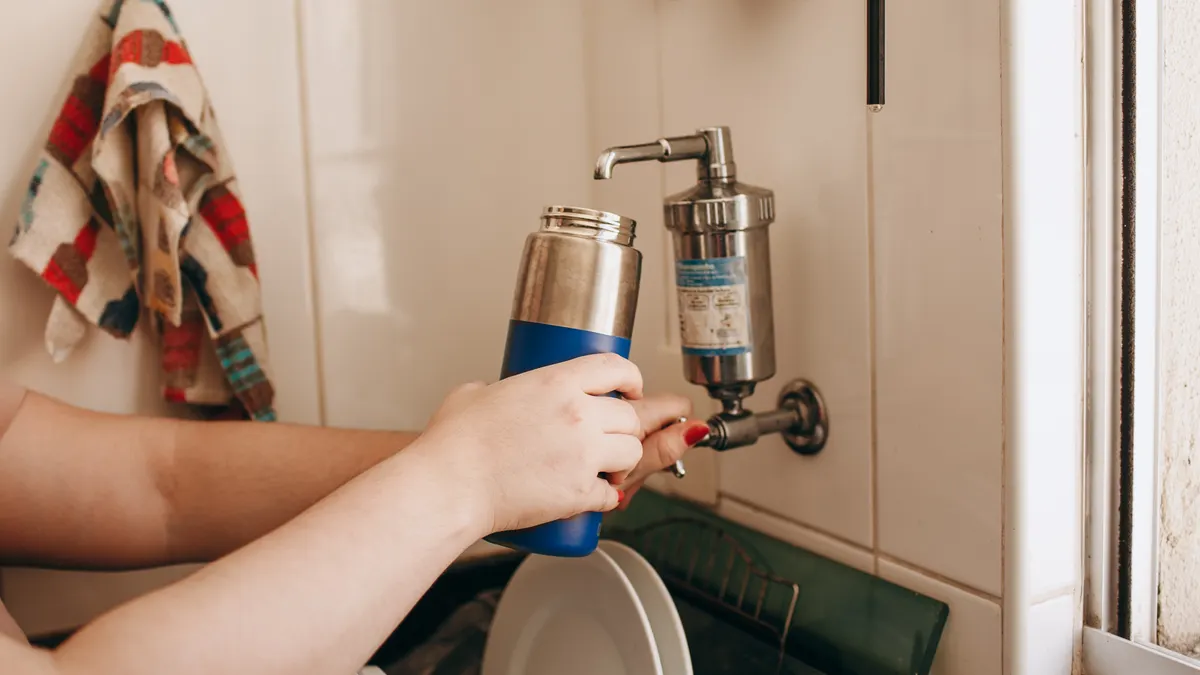
- #1 Best Overall: A point-of-entry activated carbon filter sized for the full irrigation line when chlorine and odor are the main complaint.
- #2 Best Budget Pick: A smaller carbon cartridge for a limited branch line when the smell problem is mild and the flow demand is modest.
- #3 Best Heavy-Duty / Upgrade Pick: A larger carbon vessel with media replacement access for higher-flow systems or longer service intervals.
| Product / Option | Best For | Core Spec | Standout Feature | Action |
|---|---|---|---|---|
| Point-of-entry activated carbon filter | Whole-system chlorine reduction and odor control | Installed before the irrigation controller | Treats water before it reaches valves and zones | Choose when every zone uses the same source; consult a qualified water-treatment professional for sizing and installation |
| Small carbon cartridge filter | Lower-flow branch lines | Compact housing with replaceable media | Simple fit for limited space | Choose when demand is modest and access is easy; check a professional if the branch also sees sediment |
| Large carbon vessel | Higher-flow irrigation systems | Serviceable media bed | Better for longer run time and fewer changeouts | Choose when odor or chlorine load is persistent; confirm the design with a qualified water-treatment pro |
Who this is for, and who should use a different filter
This is for a reader on municipal water who wants to reduce chlorine smell, soften the chemical taste of spray water, or protect sensitive crops and tanks from treatment residuals. It assumes the source water is otherwise fairly clear, because carbon is not the right answer for grit, sand, or heavy sediment.
That distinction matters before any purchase. Carbon filters work on dissolved chemicals and odor, not on dirt. If the water carries visible particles, a sediment stage comes first, or the carbon media can foul early and lose contact time. That trade-off matters more than brand names.
Use this guide if:
- The problem is odor, not mud.
- The source is treated town water, and a professional can confirm the setup.
- The system is a point-of-entry or branch-line setup.
- You can replace media or cartridges on schedule.
Do not use carbon as the only filter if:
- The water is rusty or sandy, unless a qualified water-treatment professional says carbon can still fit after pretreatment.
- The flow is too high for the housing.
- You need a filter for drip emitters or micro-sprays; that belongs on the sediment side of the site’s hub, not here.
- You are chasing a smell that may come from a tank, pipe, or biofilm instead of the source water.
Irrigation water quality articles on the site sit under the broader hub on Irrigation water quality treatment and filtration; if the source or plumbing is uncertain, consult a qualified water-treatment professional first. This page narrows the choice to carbon only.
What a carbon filter does in irrigation water
A carbon filter removes chlorine and some odor compounds by adsorbing them onto activated carbon, a porous media with a huge internal surface area. In irrigation, the goal is usually taste-neutral, less-smelly water and less chlorine carryover into the line.
The main use case is municipal supply. Many studies in PubMed touch water quality and related human exposure topics, but they do not give a single universal irrigation dose or service rule. The article set is broad: 19% of the 100 most relevant records were tagged Review, 4% Randomized Controlled Trial, 3% Meta-Analysis, 3% Systematic Review, and 2% Observational Study, all from PubMed (NCBI), computed on 2026-11-12.
The practical takeaway is plain:
- Carbon is for dissolved treatment residuals.
- It is not for suspended solids.
- It may help with odor more than with visible water quality.
- It works best when water stays in contact with the media long enough.
That last point is why a tiny cartridge on a high-flow system often disappoints. The water moves too fast. The chlorine slips through.
How do I choose a carbon filter for irrigation water?
Choose the filter by matching the water source, the flow rate, and the job the carbon must do. The right choice is usually a point-of-entry treatment unit sized for the whole line, with media replacement built into the plan.
Start with the source. If the source is municipal water, carbon is a reasonable first choice for chlorine and odor. If the source is a well with sediment, iron, or hydrogen sulfide, carbon may not be the primary fix, because the upstream water needs different treatment. The EPA and CDC both emphasize source-specific treatment choices.
Next, check the layout and the demand. If one branch only needs treatment, a smaller housing may work. If the whole irrigation network shares one source, point-of-entry treatment is the cleaner option.
- Identify the water source and confirm whether the problem is chlorine, odor, or both; verify the supply is municipal and not dirty well water, and watch for visible sediment that points to a different filter.
- Check the irrigation controller and valve line layout; verify whether the whole system or only one branch needs treatment, and note any bypasses that would let untreated water reach the zones.
- Size the carbon housing for the system flow; verify the unit can handle the peak demand without a pressure drop that would affect sprinkler performance, and reject undersized cartridges that force too much water through too little media.
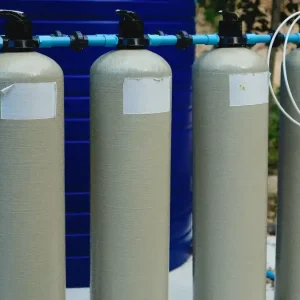
- Select activated carbon media type; verify the product is designed for chlorine reduction and odor control, and make sure the housing supports serviceable media or cartridges rather than a sealed canister you cannot maintain.
- Place the filter ahead of the irrigation controller when the entire system needs treatment; verify the installation point protects every zone, and avoid putting carbon after the controller if the goal is whole-line protection.
- Plan media replacement before installation; verify the system has a clear changeout interval from the maker, and do not choose a unit with no practical access for cartridge swaps or media bed service.
- Inspect the water after installation for smell, chlorine carryover, and pressure; verify the odor drops and the zones still run evenly, and treat new chlorine smell, tank odor, or pressure loss as a sign the setup is wrong or exhausted.
A good result is simple: less chlorine smell at the tap or hose bib, no obvious drop in irrigation performance, and a service plan you can actually keep. A bad result is equally simple: the smell returns fast, the pressure falls, or sediment clogs the bed.
What specs matter more than the sales copy
The two specs that matter most are flow capacity and contact time. Contact time is the amount of time water stays in the carbon bed, and it is what gives chlorine a chance to be reduced. A cartridge that is fine for a kitchen sink may be wrong for a whole irrigation manifold.
The next spec is maintenance access. Carbon media does not last forever. Once it is spent, the filter may keep flowing while doing little useful work. That is why replacement access matters more than a glossy housing.
Look at these details before you buy:
- Maximum flow in the real irrigation line, not just the label.
- Whether the housing uses cartridges or loose media.
- Pressure drop at operating flow.
- Access for service without tearing apart the valve line.
- Whether the unit is built for indoor or outdoor placement.
The truth is, irrigation systems punish undersized filters. They ask for more flow than household drinking-water units were built to handle.
When carbon is the wrong tool
Carbon is the wrong tool when the water problem is not mainly chlorine or odor. It is also the wrong tool when the system needs particle removal first. In those cases, a different filter strategy comes before carbon, or instead of it.
Stop and change course if:
- The water is visibly dirty: The filter may foul fast and lose effectiveness — use a sediment stage first.
- The source is a private well with iron or sulfur odor: Carbon may not solve the root issue — use the treatment method meant for that contaminant.
- The pressure drops after installation: The housing is likely too small or clogged — check sizing and upstream filtration.
- The smell returns quickly: The media may be spent or bypassed — replace media and inspect seals and flow path.
- The irrigation zones need drip-grade particle protection: Carbon is not the right primary filter — use the filtration type meant for emitters and micro-sprays.
- The line layout includes bypass valves you cannot control: Untreated water may still reach parts of the system — rework the plumbing before relying on carbon.
If a carbon filter is fighting the wrong problem, the cure is not a bigger carbon bed. It is the correct treatment train.
The mistakes people actually make
People usually make the same five mistakes, and each one has a cost.
First, they buy carbon for sediment. That clogs the media and wastes money. Use sediment filtration before carbon when dirt is present.
Second, they install the unit after the wrong branch. That leaves part of the irrigation system untreated. Put the filter where it covers the intended zones.
Third, they ignore flow rate. The water then races through the media and gets poor contact time. Choose a housing built for the actual irrigation demand.
Fourth, they skip media replacement planning. The system can look fine while performance fades. Set a replacement schedule before the first install.
Fifth, they assume every odor is from source water. Sometimes the smell comes from a tank, pipe, or stagnant section of line. If the source is not the problem, carbon will only hide the symptom.
A simple rule helps: if the problem is particles, use sediment; if the problem is chlorine or odor in otherwise clear water, use carbon. That is the practical split.
How long does a carbon filter last in irrigation use?
A carbon filter lasts as long as the media stays active and the housing stays clean, which varies with flow, chlorine load, and water quality. There is no single universal service life in the evidence here, and the PubMed abstracts in this sample do not give one trustworthy replacement interval.
What matters is changeover planning. If the filter is on a municipal line that runs often, media can exhaust sooner than a reader expects. If the system sits idle for long stretches, stagnant water can create a smell issue that has nothing to do with carbon capacity.
The practical check is simple:
- Odor reduction weakens.
- Pressure drops.
- The system starts smelling again after a brief period of use.
- The housing shows fouling or channeling.
That is the point to service the filter, not the point to keep waiting.
When should you use carbon instead of a sediment filter?
Use carbon instead of a sediment filter when the water is already clear and the complaint is chlorine or odor. Sediment filters catch particles; carbon targets dissolved treatment residuals and smell.
That means carbon is the better fit for municipal water that has a strong chemical smell but little visible debris. If the supply carries sand, rust, or grit, a sediment filter comes first. If both problems exist, the usual order is sediment first, then carbon.
Does carbon filtration help irrigation water?
Yes, when the main issue is chlorine or odor in otherwise clear water. Carbon filtration is used for treatment residuals and smell control, not for sand, silt, or other visible particles.
Will a carbon filter remove chlorine from sprinkler water?
It can reduce chlorine in sprinkler water when the filter is sized for the flow and the media is still active. If the unit is undersized, the chlorine may pass through because contact time is too short.
When should you use carbon instead of a sediment filter?
Use carbon instead of a sediment filter when the water is clear and the problem is chemical smell or chlorine. If the water has dirt, rust, or grit, sediment treatment belongs first, and carbon alone is the wrong match.
Drafted with AI; not yet reviewed by a person.