Last updated: November 12, 2026
Quick answer: match the sprinkler head radius to the zone size so the farthest throw reaches the far edge and still allows head-to-head coverage. For How to Match Sprinkler Head Radius to Your Zone Size, the right fit is usually the smallest radius that still covers the zone cleanly. Sprinkler head radius has to fit the zone size, or you’ll miss corners or flood the middle. The steps below show how to judge a zone shape, pick the radius, and avoid the common mismatch.
Key Takeaways
- Match the sprinkler radius to the farthest part of the zone, not the closest.
- Use the zone shape first; a long strip and a square bed need different reach.
- Head-to-head coverage matters more than raw throw distance alone.
- A spray nozzle with too much radius can waste water at the edges.
- A short radius in a wide zone leaves dry bands that no arc adjustment can hide.
How do I match sprinkler radius to a zone size?
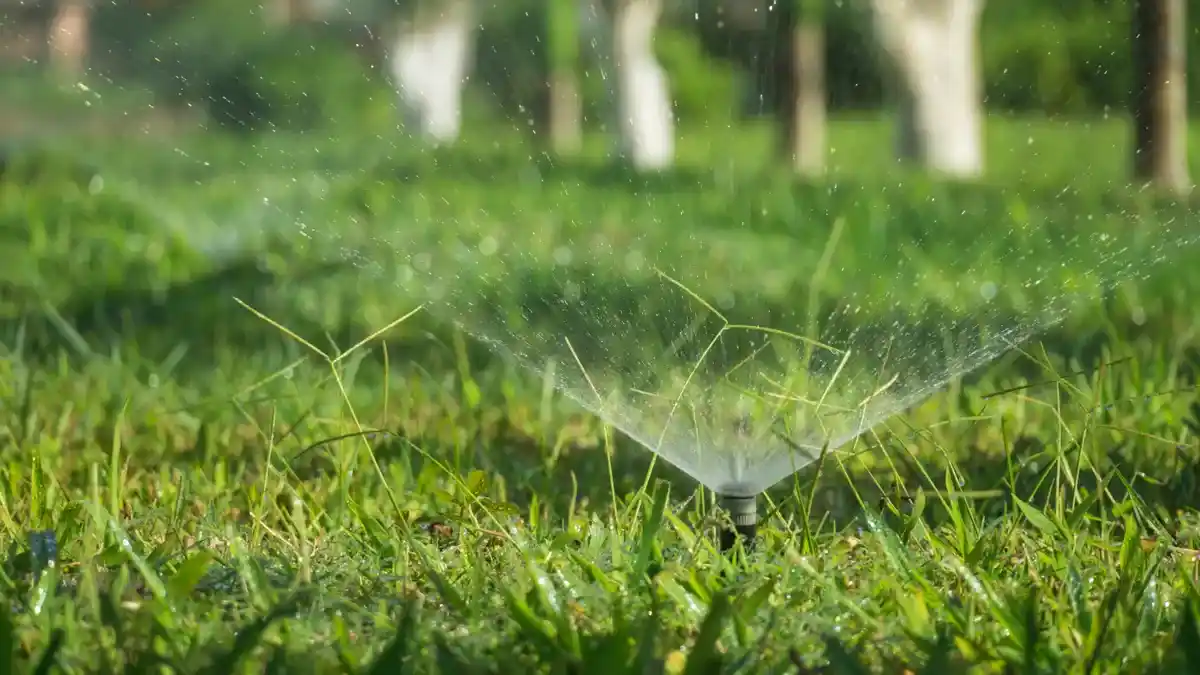
Match the sprinkler radius to the zone’s farthest required throw, then confirm that the heads can still overlap at the same distance. Picture this: you’re looking at a rectangular lawn strip, and one head reaches the near edge but falls short of the far edge by several feet. That is a bad fit, even if the nozzle label sounds close.
The radius is the distance from the head to the outer wet edge. Zone size is the area that needs water, but the useful number is the longest straight-line reach inside that shape. A 20-foot radius nozzle does not belong in a 28-foot-wide zone unless the layout lets another head cover the missing distance.
Here’s the catch: reach alone is not enough. A sprinkler zone works when the spray arcs overlap so each head waters across to the next head. That is why a layout with a 25-foot throw usually needs neighboring heads set with overlap, not a lone head in the middle.
Use this simple rule:
- Measure the zone from head location to the farthest dry edge in feet.
- Choose a radius that meets or slightly exceeds that distance.
- Check whether the next head can reach back to that one.
- Adjust the spray arc to fit the shape, not the other way around.
- Recheck the corners and narrow ends, where coverage fails first.
If the zone is 18 feet wide and the nozzle throws 15 feet, you will usually need a different nozzle or another head position. If the zone is 18 feet wide and the nozzle throws 20 feet, that may work only if the arc and pressure are set so water lands where you need it, not past the curb.
The most helpful part is that this keeps the design honest before you dig or swap parts. For planning that sits inside the bigger system, the hub guide to system design and planning helps frame the rest of the layout.
What do throw distance, arc, and zone shape change?
They change whether the same sprinkler radius works at all. Picture this: you have a half-circle bed at the end of a walk, then a skinny strip of turf beside it. The same rotor throw distance can serve both, but only if the arc and placement are adjusted for each shape.
A sprinkler head radius is only part of the story. The spray arc tells the head how wide to sweep, while the zone shape tells you where the water must land. A full-circle pattern can waste water on a corner lot. A quarter-circle pattern can leave a wedge dry if the radius is too short.
The truth is, shape often beats size. A small triangular bed may need a shorter radius with a tight arc, while a long rectangle may need a larger throw even if the area looks smaller on paper. That is because the longest side sets the reach, not the total square footage alone.
Use these shape checks:
- Square or nearly square zone: choose a radius close to the farthest side length, then confirm overlap.
- Long rectangle: favor a radius that reaches the long dimension, not just the width.
- L-shaped zone: split the area in your head; one radius rarely fits both legs cleanly.
- Narrow strip: short arcs and careful spacing matter more than a big throw.
A common mistake is choosing a nozzle because it covers “more area.” That can backfire if the water lands outside the planting bed or across a hard edge. A bigger throw is not a win when the zone is small.
On the flip side, a short-radius spray nozzle in a wide zone forces the heads to work too hard. You end up chasing dry gaps with extra heads, which creates crowding and bad overlap. In many layouts, a matching radius and a clean arc do more than a larger nozzle ever could.
Which sprinkler radius should I use for small zones?
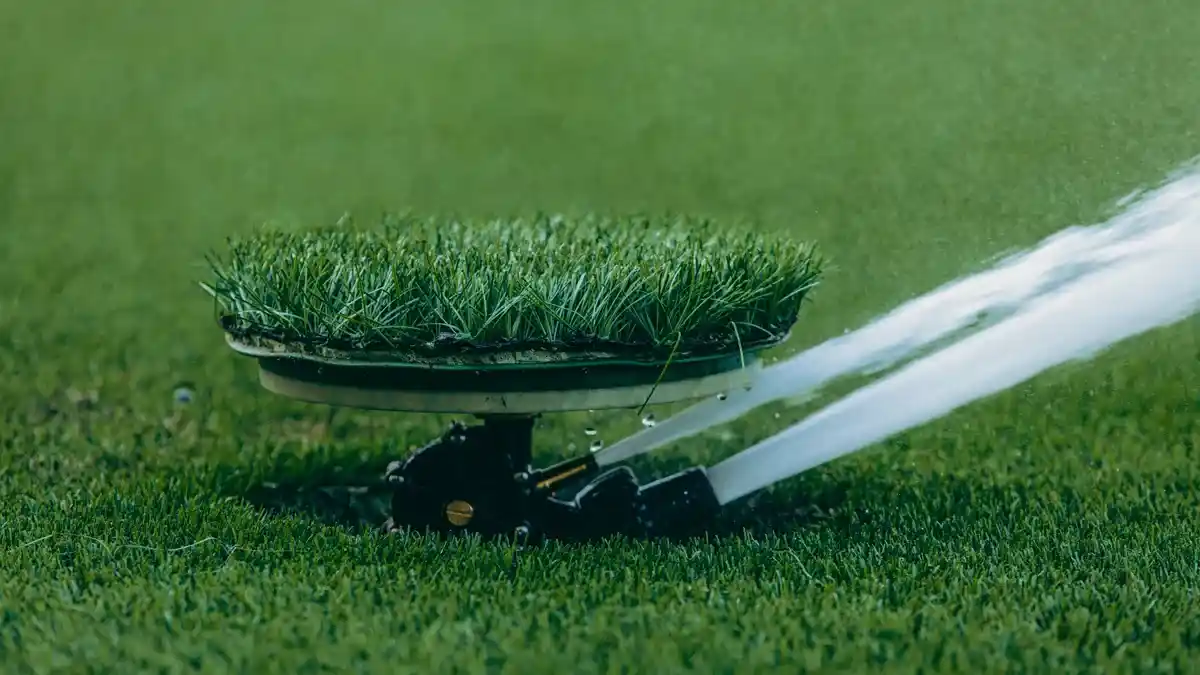
Use the shortest radius that still reaches the far edge with overlap, and resist the urge to size up just because the nozzle exists. Picture this: you’re standing over a compact bed by a sidewalk, and the zone is only a little wider than the head-to-edge distance. A smaller radius is often the better fit because it keeps overspray down.
Small zones punish sloppy matching. A spray nozzle with a long throw can throw water onto pavement, a fence, or the house siding. That creates waste and can leave the planted area unevenly wet because the pressure and arc are being pushed beyond what the shape needs.
For small areas, the safe approach is usually:
- Measure the zone edge to edge in feet.
- Pick a nozzle radius that reaches the far edge without blasting past it.
- Set the arc so water stays inside the bed.
- Keep head-to-head coverage, even in a compact layout.
- Watch the corners first; they reveal mismatch fast.
A 10-foot or 12-foot spray pattern often fits a compact bed better than a longer-throw rotor, especially when the zone has hard borders. A rotor throw distance may be overkill if the whole area is only a few steps across.
This is also where beginner designs go wrong. They see a small zone and assume any small nozzle will do. It won’t. If the radius is too short, the center looks wet and the outer edge dries out in streaks. If the radius is too long, the outer edge gets hammered and the center may still be uneven because the head is set wrong for the shape.
The rule for small zones is simple: match the radius to the shape, not to the label on the box. That keeps the zone clean, predictable, and easier to tune later.
How do I check head-to-head coverage before I install?
You check it by making sure each sprinkler head reaches the next head, not just the edge of the zone. Picture this: you’ve laid out three heads across a lawn run, and each one can wet the full strip alone. That still isn’t enough unless the spray overlaps from head to head.
Head-to-head coverage is the standard that keeps the wet pattern even as pressure changes or wind pushes the spray. If the radius stops short of the next head, the middle dries out first. If the radius overshoots too far, you waste water and may overspray hardscape.
A simple field check works like this:
- Place the heads on paper or in the trench plan.
- Mark the zone edge and each head location.
- Draw the radius from each head to the next head.
- Confirm the spray arc covers the intended portion of the zone.
- Look at the longest dry line first; that is where failure shows up.
The catch is that coverage is about overlap, not just distance. Two 15-foot sprays that barely meet are weaker than two 15-foot sprays that reach each other cleanly and cover the same band. That overlap gives the zone a more even soak across the whole pattern.
A mismatch usually shows up in one of two ways. First, the radius is short and the gap between heads stays dry. Second, the radius is long but the heads are spaced for a smaller pattern, so the water lands past the intended line. Both problems waste water. Neither one is fixed by increasing run time alone.
If you want a practical sign that the design is close, look for a layout where each head can wet the opposing head’s position. That is the point where the zone starts behaving like one unit instead of a string of separate spray spots.
What problems show up when the radius is wrong?
The main problems are dry bands, overspray, and uneven pressure effects that make the zone look random. Picture this: one side of the lawn stays pale green while the other side is soggy and the sidewalk is wet every morning. That usually points to a radius mismatch before it is anything else.
A radius that is too short leaves a dry strip between heads or at the outer edge. The cost is simple: the zone never looks finished, even when it runs longer. People often respond by adding minutes, but that only makes the wet spots wetter. The dry line still stays dry.
A radius that is too long creates its own mess. Water lands outside the planting area, hits pavement, or drifts into another zone’s area. That can mean runoff, puddling, and a layout that looks fine on paper but fails in the yard. According to the EPA WaterSense program, overwatering can also waste water and raise utility costs.
Here are the most common mismatch signs:
- Dry band between heads
- Wet sidewalk or curb
- Uneven color at the outer edge
- Pooling near one corner
- One head clearly throwing farther than the rest
A common mistake is treating all spray nozzles as interchangeable. They are not. The same sprinkler radius can behave very differently once the arc and pressure are set. That is why a head that looks right on the shelf can be wrong in the zone.
The fix is usually not complicated, but it has to be specific. Reduce the radius if the zone is small and overspray is the issue. Increase the radius or change the layout if the water falls short. Then recheck overlap after each change. Hunter Irrigation also notes that matched precipitation and proper spacing matter for even coverage.
What should I do if the zone shape and radius don’t line up?
Change the layout, the arc, or the nozzle size instead of forcing the same head to cover everything. Picture this: you have an odd-shaped zone with a narrow neck and a wider end, and one sprinkler radius seems close but not quite right. That is a layout problem, not a watering problem.
A single head radius cannot fix a bad shape on its own. If the zone is long and narrow, the simplest fix may be a different nozzle or a different head placement. If the zone has a corner cutout, you may need to split the spray arc so the water lands where the grass actually is.
Use this decision path:
- If the radius is short everywhere, step up one nozzle size.
- If the radius is fine but the shape is odd, adjust the arc first.
- If the zone has two very different widths, consider separate coverage patterns.
- If head-to-head coverage still fails, move the heads rather than stretching the spray.
- If the zone is too irregular, do not force one pattern to do two jobs.
This is where a lot of DIY work goes sideways. People try to solve a bad shape with more runtime, and the zone just gets sloppy. Others keep the same head placement and switch only the nozzle, which can help on a straight run, but it may not cure a broken layout. Irrigation Association guidance and manufacturer spacing charts both point back to layout and overlap, not runtime alone.
The clean fix is the one that preserves overlap and keeps water inside the zone. That may mean a shorter radius in one section, a longer throw in another, or a different arc on the same body. The right answer is the one that fits the shape without waste.
How do I match sprinkler radius to a small zone?
Choose a radius that reaches the far edge with a little overlap, then keep the spray arc tight inside the borders. A small zone usually works best with a shorter spray pattern than a rotor. If the head throws too far, water lands on pavement or outside the bed, and the zone never feels controlled.
Does larger radius always mean fewer heads?
No, a larger radius does not always mean fewer heads. Bigger throw can reduce the number of heads on a simple rectangular run, but it can also create overspray and weak coverage in odd shapes. The shape, arc, and head-to-head coverage decide the real count, not the label on the nozzle.
What happens if head radius is too short for the zone?
Dry gaps appear first, then the zone starts looking patchy even if the run time increases. A short radius leaves the far edge under-watered and can create a stripe between heads. The fix is usually a different nozzle size, a different head position, or both.
Drafted with AI; not yet reviewed by a person.