Last updated: November 12, 2026
Key Takeaways
- Match the sensor to the controller first, or the installation may not work.
- The cutoff point depends on sensor design and controller settings.
- Wire it exactly as the manual shows, or the controller may misread it.
- Mount it where it reads outdoor air, not trapped heat from walls or boxes.
Your sprinkler system needs a freeze sensor for a sprinkler system that matches the controller, the mounting spot, and the temperature where watering should stop. Quick Answer: choose the sensor by controller compatibility first, then by shutdown temperature and exposure. The steps below help you choose the right freeze sensor for a sprinkler system and avoid buying the wrong part.
Our Top 3 Picks at a Glance

| Product / Option | Best For | Core Spec | Standout Feature | Action |
|---|---|---|---|---|
| Freeze sensor matched to a basic sprinkler controller | Homes with a standard rain/freeze input | Hardwired sensor input | Simple seasonal shutdown trigger | Check wiring terminals before you buy |
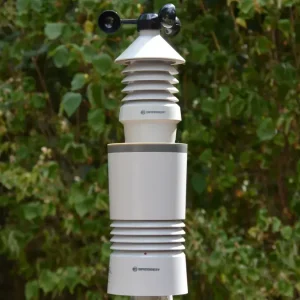
| Weather sensor with freeze function | Systems that already use a weather sensor | Shared weather input on the controller | One device can handle more than one interruption rule | Confirm the controller accepts that signal type |
| Freeze sensor with rugged outdoor housing | Exposed yards, roofs, or fence lines | Weather-resistant enclosure | Better protection from sun, splash, and debris | Pick this if the mount sits in direct exposure |
Choose the freeze sensor that fits your controller first
The freeze sensor for a sprinkler system must match the controller input before anything else. Picture this: you already know the sprinkler zone names, but the controller only accepts one kind of sensor signal. You need a freeze sensor that speaks the same language as the controller, or the whole setup becomes dead weight.
Start by opening the controller manual and looking for a sensor input labeled freeze, rain/freeze, or weather sensor. Some controllers want a simple switch contact; others expect a specific accessory port. If the controller does not list that input, stop there. No sensor can help if the wiring and signal do not match.
A lot of generic articles skip this and jump straight to temperature. That is backwards. The controller decides whether the sensor can even be used. A sensor that fits the wrong input is useless, even if its shutdown point is perfect.
What to check:
- The controller terminal labels
- Whether the input is dry contact, two-wire, or a brand-specific bus
- Whether the controller can read a combined weather sensor
- Whether the sensor needs its own power or just a simple circuit
Now, you might be wondering why this matters so much. A weather sensor and a freeze-only sensor are not always interchangeable, so consult a professional if the manual is unclear. Some controllers treat a weather accessory as one input with multiple jobs; others will only read a basic on/off closure. See the controller documentation and the sensor manual before you buy.
Sources: Rain Bird support documentation and Hunter controller manuals explain that input type and accessory support vary by model. https://www.rainbird.com/ and https://www.hunterindustries.com/
What shutdown temperature should you look for?
Pick the shutdown temperature that matches your local freeze risk and the plants you want to protect, usually somewhere near 32°F because that is the point where standing water can freeze. The right number depends on how the sensor is designed to respond and how your controller uses that signal.
Here’s the catch: a freeze sensor does not have to wait until pipes are already in trouble. Many systems use it as an automatic stop for scheduled watering when air temperature drops to a set point. That can keep the controller from starting a cycle when the temperature is already near freezing.
Do not assume lower is better. A sensor set too low may let a cycle start when the ground is already cold enough to create slick surfaces or ice on spray paths. A sensor set too high can shut off watering more often than you want during chilly but workable mornings.
Use this rule of thumb:
- If your winters are mild, look for a sensor with a straightforward freeze cutoff near freezing
- If your area sees sharp overnight swings, favor a sensor with a clear, stable response point
- If the controller lets you set the threshold, choose one you can understand and revisit in fall
The sensor should stop new irrigation events before the first cold snap of the season becomes a routine problem. That is seasonal freeze response, not panic. It is also why the sensor belongs in the irrigation system monitoring and sensors hub, not in the winterization bucket.
How do you wire a freeze sensor to a sprinkler controller?
Wire the freeze sensor to the controller’s sensor terminals exactly as the manual shows, because the wrong pair of terminals can make the sensor look broken even when it isn’t. This is usually a simple two-wire job, but the exact input type matters.
Most controllers use a low-voltage sensor input, often on a terminal strip marked sensor, rain, or freeze. If the sensor needs a power lead, the controller manual will say so. If it uses only a contact closure, you will see two sensor wires and no extra supply. Do not guess from wire color. Wire color is not a standard.
Use the controller’s labels, not the sprinkler zone labels. A zone controls a specific irrigation area; a sensor input controls the whole system or a group of programs. That distinction matters when you want the controller to suspend all watering during a freeze event.
A proper wiring check should cover:
- The exact terminal names
- Whether the sensor is normally open or normally closed
- Any jumper that must be removed before the sensor works
- Whether a smart controller needs a paired app setting after wiring
If the controller has a freeze sensor setting in software, turn it on after the wires are in place. If it does not, the sensor may be ignored even though it is physically connected. That is a common miss on newer smart controllers.
Where should the sensor go?
Mount the freeze sensor where it can read outdoor air, not trapped heat from a wall, eave, or equipment box. A bad location can make a good sensor lie, and then the sprinkler controller makes the wrong call.
The best location is often open to moving air and away from anything that warms up fast in the sun. A sensor near a south-facing wall may read warmer than the yard. A sensor above a hot surface can lag behind the real conditions in an irrigation zone by enough time to matter.
Do not bury the sensor in a protected pocket just because it looks tidy. Clean mounting is not the goal. Accurate exposure is. If the sensor is too sheltered, it may keep watering when the air around the plants has already fallen below the safe range.
Placement checklist:
- Keep it out of direct sprinkler spray
- Keep it away from dryer vents, HVAC exhaust, and attic heat
- Keep it where frost can form naturally
- Follow any mounting height in the manual if the brand gives one
This is the part many people get wrong because they focus on the hardware and ignore the environment. A weather sensor needs weather, not a cozy corner.
What weather protection does the housing need?
Choose a sensor with housing that can survive sun, splash, dust, and winter grime, because the sensor is only useful if it keeps working after one rough season. A brittle enclosure or loose lid creates trouble long before the electronics fail.
Look closely at the shell, cable entry, and mounting hardware. Outdoor sensors need a body that sheds rain and a connection point that does not wick moisture into the unit. If the sensor sits near a driveway or landscape bed, debris and impact matter too. A thin case can crack from a ladder bump or a hard freeze.
The housing also affects maintenance. If the cover has to come apart every time you inspect it, you are less likely to check it before the first frost. That is a bad habit. Seasonal freeze response only works if the sensor stays clean and reachable.
Ask these questions:
- Is the enclosure rated for outdoor use?
- Does the cable entry seal tightly?
- Can the sensor handle direct exposure, or does it need cover?
- Is the mounting bracket sturdy enough for a fence post or wall?
A weather-protected sensor often lasts longer without extra fuss. The downside is that a tougher shell can make the unit a little bulkier, so make sure the mounting spot has room for it.
Should you choose a freeze-only sensor or a weather sensor?
Choose a freeze-only sensor if you only want cold-weather interruption, and choose a weather sensor if your controller can use one device for rain, freeze, or both. That choice is mostly about controller capability and how much you want one part to do.
A freeze-only sensor is straightforward. It watches temperature and sends one kind of stop signal. That makes it easier to understand and troubleshoot. It is also a cleaner fit for older sprinkler controllers that have a single sensor input and nothing else.
A weather sensor can be a better fit if the controller already handles multiple weather events. That said, a combo sensor is not automatically better. If the controller only uses the freeze part, the extra features may sit unused. If the wiring or settings are more complex, setup can take longer than a simple freeze sensor.
Use this quick filter:
- Pick freeze-only for a plain controller and one job
- Pick weather sensor if the controller manual names that exact accessory
- Skip combo gear if your controller has no weather input at all
- Skip smart extras if you only need seasonal freeze response
The right sensor is the one your controller can read without guesswork. A more complex sensor is not a win if half the features never get used.
Common mistakes that waste money or leave the system exposed
Buy the wrong sensor and you end up with a part that never talks to the controller, a sensor mounted in the wrong place, or a cutoff point that shuts the system down at the wrong time. Those mistakes cost you money and still leave the sprinkler system exposed to bad weather.
The biggest mistake is treating every sensor as interchangeable, so consult a professional if you are not sure and verify the controller manual first. They are not. A controller from one brand may accept a simple sensor loop, while another wants a brand-specific accessory. Another common mistake is buying a freeze sensor because the box says “weather,” then finding out the controller only reads a rain input.
A third mistake is placing the sensor where it reads the wrong air. A sheltered wall mount can lag behind the yard by enough to defeat the point. A fourth is forgetting to enable the feature in the controller menu after the wiring is done.
Avoid these traps:
- Match the sensor type to the controller input
- Match the shutdown behavior to your climate
- Mount it in open air
- Check the controller settings after installation
If you want one practical standard to use, start with the controller manual and the term “freeze input.” That phrase tells you more than a glossy box ever will.
A simple way to narrow the choice before you buy
Use the controller manual, the local freeze pattern, and the mounting location to narrow the field before you spend a dollar. That keeps the choice grounded in the system you already own.
Here’s a plain way to decide:
- Read the controller manual and find the sensor input type.
- Pick the sensor class that matches that input: freeze-only or weather sensor.
- Check the shutdown point and make sure it fits your seasonal freeze response.
- Plan the mount in open air, away from heat and splash.
- Confirm the wiring style so you know whether the install is a simple loop or a brand-specific hookup.
If any one of those five steps fails, keep shopping. A freeze sensor is not a universal part. It has to fit the controller, the site, and the way you want the sprinkler system to stop watering when cold weather arrives.
For a broader look at sensor types, the irrigation system monitoring and sensors hub is the right next stop.
Will a freeze sensor stop all watering automatically?
Yes, a freeze sensor can stop watering automatically if the controller is wired and programmed to honor that input. The sensor itself does not run the sprinkler system; the controller does. If the controller ignores the signal, the sensor will not stop a cycle.
Where should a freeze sensor be mounted?
Mount a freeze sensor in open outdoor air where it can read the real yard temperature. Keep it away from walls, vents, eaves, and other heat sources that can skew the reading. The manual may also call for a specific height or orientation.
Can a freeze sensor work with a smart controller?
Yes, a freeze sensor can work with a smart controller if the controller includes the right sensor input and settings. Some smart controllers accept a simple wired contact, while others need a brand-specific accessory or app setting. Check the model manual before you buy.
What is the main thing to check before buying one?
Check the controller input first. If the sensor type does not match the controller terminals or accessory port, the rest of the specs do not matter. After that, compare the shutdown behavior and the mounting needs so the sensor fits the site.
Drafted with AI; not yet reviewed by a person.