
Last updated: November 10, 2026
Quick Answer: an irrigation system needs a separate water meter when the water utility, permit office, or local billing rules treat outdoor watering as a separate use and want it measured apart from indoor household or tenant use. In many places, the answer is $0 extra in policy terms only if the utility allows shared billing; in others, a separate irrigation water meter is the right answer when a dedicated irrigation service line makes billing, leak detection, or compliance easier. This guide is about when does an irrigation system need a separate water meter.
Key Takeaways
- Separate irrigation meters are required only when local utility or permit rules say so.
- Utilities usually want a service plan, approved location, and proper meter size.
- Predictable, high outdoor demand is the best fit for separate irrigation metering.
- Separate meters can change both startup and ongoing costs, depending on local billing.
A separate meter is not about fancy equipment. It is about how the property gets billed, approved, and managed. If the water utility offers metered irrigation billing, asks for a dedicated line, or requires a permit for a new outdoor service, the meter becomes part of the administrative setup rather than just a plumbing choice. That is why the answer changes from city to city and from property to property. See the irrigation water source and capacity planning guide for how meter choice fits the rest of the system.
When a separate irrigation water meter is required
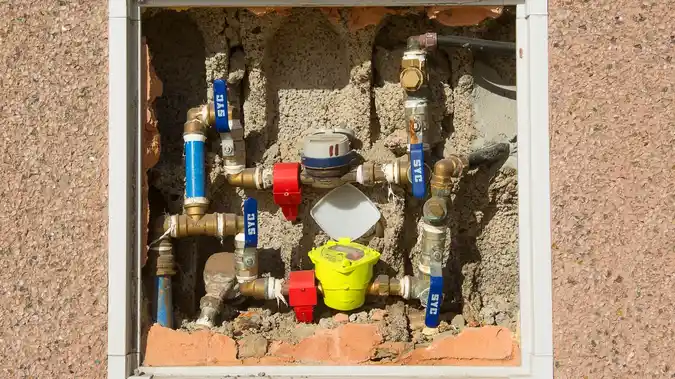
A separate irrigation water meter is required when the water utility or permit office will not allow outdoor use to share the same meter as the main building service. This usually happens on properties where irrigation use is large enough that the utility wants it isolated for billing or where local rules require a dedicated line for a new landscape system.
The most common trigger is utility policy. Some water utilities offer a specific irrigation rate or a second meter for landscape use. In those places, the irrigation water meter is the billing device that keeps lawn and garden water from being mixed into a house, apartment, or commercial tenant bill. That can matter a lot on properties with 1-inch or larger service lines, long runtimes, or multiple sprinkler zones that run several times a week.
A separate meter can also be required when a permit office treats the irrigation system as a distinct service connection. That is common on new builds, commercial sites, multifamily projects, or large landscapes with a dedicated irrigation service line. The utility may want the meter location, meter size, and backflow preventer shown on the permit before any work starts. The rule is usually not “everyone must have a second meter.” It is “this property type or this use pattern must have one.”
A practical clue is the billing structure. If the utility bills sewer based on indoor water use, a separate irrigation meter can prevent outdoor watering from inflating wastewater charges. That is an administrative reason, not a plumbing one, but it is often the strongest reason owners pursue a second meter. The trade-off is that the property now has more hardware, more inspection points, and sometimes a second account or service charge. The metered irrigation billing and backflow preventer requirements pages explain how those parts affect approval.
For a broader look at sizing and supply planning, the guide to irrigation water source and capacity planning explains how meter choice fits into the rest of the system.
What the water utility usually wants before approving it
The water utility usually wants a clear service plan, a permitted location, and a meter that matches the expected flow. Approval is less about the sprinkler brand and more about whether the proposed service connection can be billed, accessed, and protected correctly.
The first step is to ask the utility for its irrigation service rules, not the contractor. Some utilities allow a second meter only for a dedicated irrigation service line. Others permit a single parcel to have both a domestic meter and an irrigation meter, but only if each meter serves a separate purpose. A few utilities will not allow a second meter at all, which means the property must keep irrigation on the main meter.
The utility often wants a site sketch or permit drawing showing the meter box, the service route, and where the irrigation system branches off. Expect it to care about the backflow preventer location too, because the meter and backflow assembly are part of the approval picture even when the real reason for the second meter is billing. On many projects, the utility will also specify the meter size, such as 5/8-inch, 3/4-inch, 1-inch, or larger, depending on demand.
The shortest path is usually this:
- Request the utility’s irrigation meter application. Ask for the exact form for a separate irrigation meter, not a generic service request. The result should be a checklist with service rules, deposit terms, and any meter size limits.
- Confirm whether the property needs a dedicated irrigation service line. Some utilities will not split one line into two billed uses. The expected result is a yes-or-no answer on whether the irrigation line can be separate from the domestic line.
- Ask what documents the permit office needs. A drawing, plat, or site plan may be required before the utility issues approval. The result should be a permit path, not guesswork.
- Verify meter placement and access rules. Many utilities require the meter to be accessible from the street or easement, with a clear reading path. The result is a location that the utility can service without entering private obstacles.
- Confirm the billing setup in writing. The account should show whether irrigation water is billed at the same rate as domestic use or under a separate irrigation rate. The result is fewer surprises after the first bill.
If the utility cannot give a clear answer in one call, that is a sign to pause. A meter installed without approval can lead to rework, delayed activation, or an account that bills the wrong way. The EPA’s WaterSense materials also emphasize checking local requirements before installing water-saving equipment.
How to tell if your property is a strong candidate
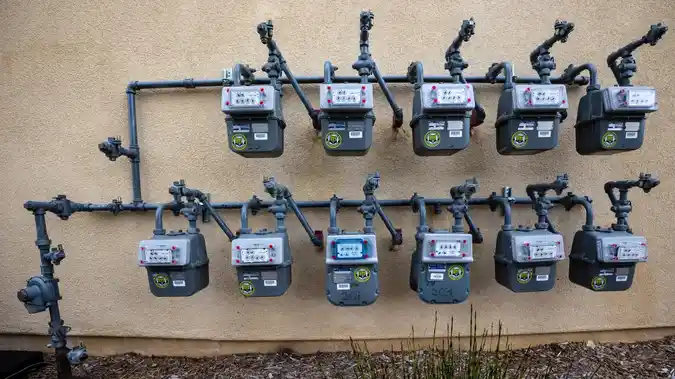
A property is a strong candidate for a separate irrigation water meter when outdoor demand is predictable, substantial, and easy to separate from indoor use. If irrigation is only a hose bib, a small planter line, or a short seasonal run, the meter is often unnecessary. If the landscape has multiple zones, long runtime, or a commercial planting plan, the case gets stronger.
The easiest way to judge it is to look at the use pattern. A single-family home with a few sprinkler heads may not justify the extra account, utility review, and hardware. A school, HOA, office park, multifamily complex, sports field, or retail frontage often does. The difference is not just size. It is whether the irrigation use is large enough that the utility or owner wants cleaner accounting.
A separate meter also makes more sense when the property’s water bill is sensitive to outside use. If the indoor load is steady but the landscape load swings by season, the owner may want a meter that isolates irrigation from the rest of the property. That can help with budget planning, contractor oversight, and leak detection. If water use jumps in summer and falls in winter, a dedicated meter can make those changes visible instead of buried in the total bill. The smart irrigation and water leak detection pages show related ways to track use.
The hard limit is that a separate meter is not always worth the extra cost and process. The property may need a new meter box, a permit, a utility review, and possibly a dedicated irrigation service line. If the landscape is modest and the utility does not offer a meaningful irrigation billing advantage, the administrative burden may outweigh the benefit. That is the clearest case where the answer is no.
One thing I would not recommend is using the need for a separate meter as a workaround for a poor system design. A meter does not solve undersized piping, bad zoning, or poor pressure management. It only measures the water that goes through the line.
Cost considerations: what the second meter changes
A separate irrigation water meter can change both upfront cost and ongoing cost, and those two parts do not always move in the same direction. The upfront work usually includes the meter itself, meter box, service line changes if needed, permit fees, and utility connection charges. The ongoing cost may be lower, higher, or simply clearer, depending on the local billing structure.
The biggest cost variable is whether the property already has a dedicated irrigation service line. If it does, adding the meter may be mostly administrative and hardware-related. If it does not, the work can become more involved because the utility may require a separate tap, trenching, or a new service route. That is where the permit office and utility rules matter most. The property can go from a simple account change to a small utility project.
Another factor is rate design. Some utilities bill irrigation water differently from indoor water. Others bill it at the same rate but keep the use separate for reporting or sewer credits. If wastewater charges are based on metered indoor use, the separate irrigation meter may reduce the apparent volume going into sewer billing. That is a financial reason to split the meter, but it only matters if the local billing system recognizes it.
The trade-off is administration. A second meter means a second reading point, and sometimes a second account number, a second meter fee, or a second service call if something leaks or sticks. A property manager who wants simple monthly billing may dislike that. A facility manager who needs clean water-use records may prefer it. The utility billing for irrigation page covers common rate setups.
The sensible way to compare options is to ask three questions before you agree to a second meter:
- Will the water utility give irrigation a separate rate or account?
- Will the permit office require a dedicated line anyway?
- Will the expected water-use difference justify the extra hardware and service charges?
If the answer to all three is yes, a separate irrigation meter usually makes operational sense. If the answer is no, the property may be paying for paperwork more than for value.
Common mistakes that create billing and approval problems
The most common mistake is treating a separate meter as a plumbing upgrade instead of a utility arrangement. That mistake can cost time, because the utility may reject the setup after the trench is open. The fix is to confirm approval before any digging starts, not after the irrigation service line is already in the ground.
A second mistake is assuming the meter can be added wherever space exists. Many utilities care about access, clearances, and meter reading position. If the box ends up behind a fence, under dense planting, or in a spot that needs removal every time the meter is read, approval can stall. The cost is usually rework and delay. The better move is to place the meter where the utility can service it from the start.
A third mistake is confusing the irrigation meter with the backflow preventer. The backflow preventer protects water quality; the meter measures usage. They may sit near each other, but they do different jobs. If the property owner only asks about the meter and ignores the protective device, the permit can get stuck. The right approach is to treat them as separate pieces of the same approval package.
A fourth mistake is forgetting that a separate meter can change the account structure. Some utilities require a separate customer account, deposit, or minimum monthly service fee. That does not make the meter a bad idea, but it can make the first bill look higher than expected. The remedy is to ask the utility to explain the billing model before installation so the owner can compare the numbers honestly.
The final mistake is using a separate meter to avoid investigating a leak. A rising irrigation bill may reveal a broken valve, a stuck zone, or a line leak, but the meter is only the messenger. The owner still has to find the cause. If the system is already wasting water, the solution is repair first, meter second.
When a separate irrigation meter is not the right answer
A separate irrigation water meter is not the right answer when the property is small, the utility does not offer a separate irrigation rate, or the permit office does not require a dedicated service. It is also a poor fit when the outdoor water use is minor enough that the extra approval steps add more burden than benefit.
This is especially true for properties with limited landscape area, seasonal container watering, or occasional hose use. If the irrigation load is low, a second meter can become a piece of infrastructure that never earns its keep. The owner still has to manage another account, and the utility still has to read and bill it. In that case, the main meter is simpler and usually cheaper.
It is also not the right answer if the real issue is system design. If the irrigation layout has poor coverage, frequent leaks, or no clear zone mapping, a meter will not fix those problems. The correct first step is to get the irrigation system working properly, then decide whether separate billing makes sense.
The middle ground is common. Some owners want separate accounting because a tenant, HOA, or commercial management group needs clean records, but the utility does not support a separate irrigation meter. In that case, the conversation shifts to submetering rules, billing policies, or internal cost allocation. That is a different administrative problem, and it should be handled through the utility’s own process, not by improvising at the site.
The simplest rule to use when deciding
A separate irrigation water meter makes sense when the utility will approve it, the permit office will accept the service plan, and the billing system gives the property a real advantage. If one of those pieces is missing, the meter may still be possible, but it is usually harder to justify.
The cleanest rule is this: if irrigation is a distinct, meaningful water use on the property, it deserves a distinct meter only when the local system is set up to recognize that distinction. That is why this question is mostly administrative, not mechanical. The plumbing has to support the meter, but the utility rules decide whether the meter is worth installing.
If the property is a large landscape, a commercial site, or a building where outdoor water use should not be buried in the indoor bill, a separate meter is often the right move. If the property is small or the utility offers no separate irrigation billing, it is usually not.
Do I need a separate meter for irrigation?
Not always. A separate meter is usually needed only when the water utility, permit office, or local billing rules require one for a dedicated irrigation service line or separate irrigation billing. If your property’s outdoor water use is minor, the main meter may be enough.
What is an irrigation meter used for?
An irrigation meter measures outdoor water use separately from the main building supply. That helps with metered irrigation billing, can support a separate irrigation rate, and can make it easier to spot leaks or seasonal spikes. It does not change how the sprinklers work.
Can I add a meter just for outdoor watering?
Yes, if the water utility allows a separate irrigation water meter and the permit office approves the service setup. The property usually needs clear access, a proper service plan, and sometimes a dedicated irrigation service line. If the local utility does not offer this option, the answer is no.
Who should I ask first about a separate irrigation meter?
Ask the water utility first, then the permit office. The utility controls meter approval and billing, while the permit office controls the service and site requirements. If both agree, the rest of the project becomes much easier to plan.
Drafted with AI; not yet reviewed by a person.