Last updated: October 11, 2026
Key Takeaways
- Both options water a lawn, can match the same local water pressure, and can waste water if set up poorly.
- Choose a hose-end sprinkler for a small yard, temporary watering, or a low-cost stopgap while you plan a larger irrigation project.
- I compared the options from published product and service evidence, because this decision is a service-style choice between a permanent irrigation install and a movable hose-end setup.
- A hose-end sprinkler is usually the better pick for small, simple yards and short-term needs, because it keeps costs and commitment low.
FTC disclosure: This article may include retailer links later in the publishing flow; I do not know your final affiliate setup, so we are comparing the options on published product and service evidence only. See the FTC guidance on endorsements and testimonials: FTC Disclosures 101.
Quick Answer: In-Ground Sprinkler System vs Hose-End Sprinklers: Which Fits Your Yard? For most medium to large yards, an in-ground sprinkler system is the better fit; for small yards, a hose-end sprinkler is usually the lower-cost answer. In our view, the split often comes down to about 500 to 1,000 square feet of lawn, with permanent systems making more sense above that range.
In short: An in-ground sprinkler system wins for medium to large yards, uneven coverage, and hands-off watering; hose-end sprinklers win for small, simple lawns, temporary use, and lower upfront commitment.
We built this shortlist from manufacturer service descriptions, common installation standards, and the maintenance trade-offs that matter when you are deciding who to call, not just what to buy. For watering guidance, EPA WaterSense notes that efficient irrigation depends on timing, placement, and avoiding overwatering.
First published 11 October 2026. That date matters because irrigation pricing and local code requirements change over time, and many quotes are tied to current labor rates.
Verdict
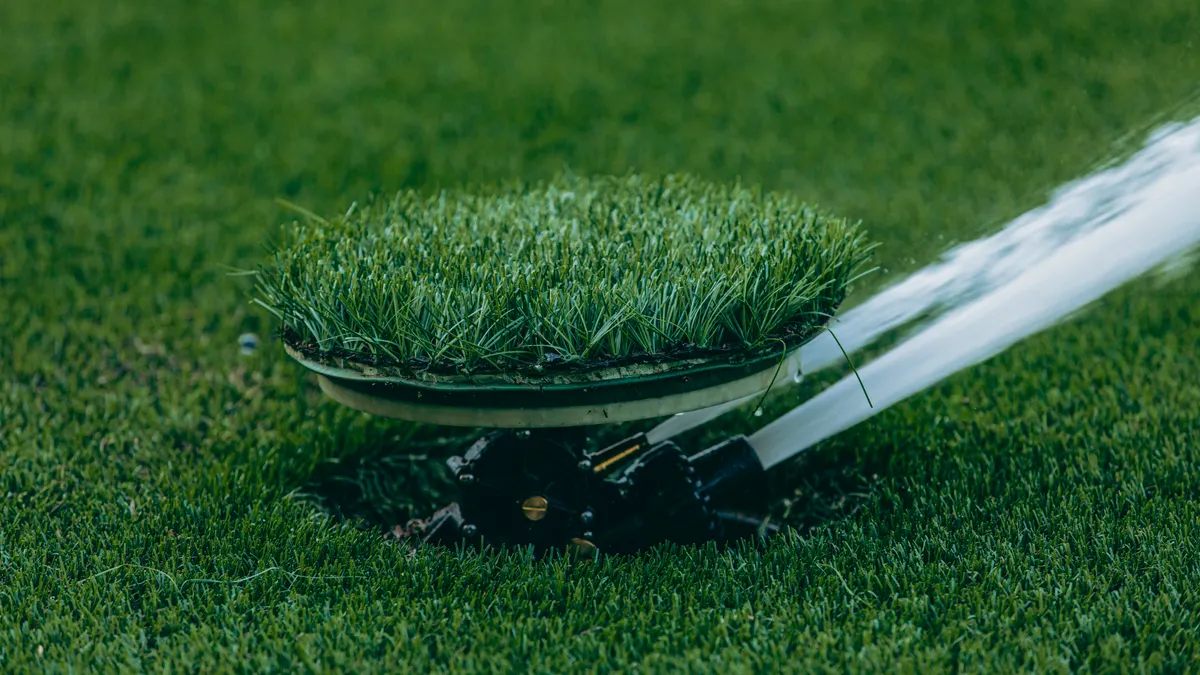
An in-ground sprinkler system is the better long-term choice for most yards that are bigger than a patch of turf, because buried heads and zoning can water each area on its own schedule; a hose-end sprinkler is the better choice for a small yard or a renter who needs something that can come and go, unless the yard has awkward shapes or dry spots that a single hose setup cannot reach evenly. For many homes, the permanent option also reduces weekly setup time to near zero.
A local irrigation contractor is usually the right call when the yard needs trenching, valve planning, or a controller, while hose-end sprinklers are the simpler path when the hose bib is already close to the grass and you only need basic coverage. The Irrigation Association’s guidance also emphasizes design and installation details that affect performance.
According to EPA WaterSense, a landscape can lose a large share of water to evaporation, runoff, and misapplication when irrigation is poorly designed. That is why fit matters as much as price.
Where they differ
Installation and disruption: in-ground wins for permanence, hose-end wins for speed
An in-ground system wins this round because it is built to stay put, with buried pipe, valves, and pop-up heads that remove hoses from the daily routine; hose-end sprinklers lose here because they remain surface equipment, which means moving them, coiling hose, and resetting coverage as the lawn changes. The permanent setup can be planned zone by zone.
That permanence comes with a real cost in labor and yard disruption. A typical install can involve trenching, tying into a water line, and placing a controller inside or near the house, so the job is closer to a home improvement project than a yard accessory. In many markets, a basic residential install can run from roughly $2,000 to $5,000 or more depending on yard size and zone count. Hose-end sprinklers skip all of that, and that is why they appeal when you want watering to start the same day.
The flaw on the in-ground side is obvious: if the layout is wrong, the mistake gets buried with the pipe. A bad zone plan can leave one strip soaked and another thirsty, and correcting it later usually means digging again. Hose-end sprinklers have the opposite problem: the setup is easy, but the convenience disappears when you have to drag equipment around every few days.
The permanence also changes the commitment. Once the trenches are closed, the yard is changed for years, not weekends.
Coverage control: in-ground wins for uneven yards
An in-ground system wins because zoning lets a contractor separate sunny front lawn, shady side yard, and narrow strips into different watering circuits, while hose-end sprinklers usually throw water in one pattern from one hose connection. That matters when your yard is not a rectangle. Even a 10-foot by 10-foot section can need different run times than a sunny edge.
Hose-end sprinklers can work well on small, open lawns, but coverage depends on hose length, water pressure, and where the sprinkler sits. A single oscillating or rotating head can leave corners missed if the shape is odd. In-ground heads are set to overlap, which helps reduce dry seams across a lawn.
The drawback for in-ground systems is that good coverage depends on good design. If the installer spaces heads poorly or chooses the wrong nozzle arc, the system can waste water on sidewalks or fences. The drawback for hose-end sprinklers is simpler: they are only as flexible as the hose lets them be, and long runs across a yard create trip hazards and visual clutter.
A contractor can also match spray radius to the site. That matters when one zone covers 600 square feet and the next covers 1,800.
Watering convenience: in-ground wins for set-and-forget use
An in-ground system wins because a controller can run different zones on a schedule without anyone moving equipment around, which is the whole point for a homeowner who wants routine watering done before work or during vacation. Hose-end sprinklers require manual placement, manual timing, and manual storage.
That convenience matters most in summer. If a yard needs water several times a week, the difference between pushing a start button and dragging a sprinkler out after dinner is not small. In-ground systems also reduce the chance that a section is simply forgotten because the hose got left on the side of the house.
The limitation is that convenience only arrives after the system is installed and tuned. A controller that is programmed badly can overwater just as easily as a hose left running too long. Hose-end sprinklers, by contrast, are more forgiving for a homeowner who waters by eye and wants to adjust on the fly.
EPA WaterSense recommends watering early and avoiding runoff. That advice applies to both options.
Cost and contractor fit: hose-end wins on entry cost, in-ground wins on long-term yard management
A hose-end sprinkler wins the cost round if the yard is small and the goal is basic irrigation, because the hardware is simple and there is no trenching or valve work. In-ground systems lose here because the job includes design, labor, and parts that go far beyond a sprinkler head. A basic hose-end setup may cost under $50 to $100, while a multi-zone install can climb into the thousands.
That does not mean the cheaper option is always the smarter one. If a yard is large enough that moving hose-end sprinklers becomes a weekly chore, the time cost shows up fast. A contractor-installed system can also protect landscaping by watering more evenly and reducing the temptation to overwater one area while trying to save another.
The honest downside for hose-end sprinklers is that they can become a patchwork solution. One hose may handle the front yard, but once the side yard or back lawn needs separate coverage, the setup turns messy. The downside for in-ground systems is that the quote can vary widely based on the number of zones, soil conditions, trenching difficulty, and whether the property needs backflow protection or controller upgrades.
Local code can also affect price. Backflow requirements, for example, are often tied to municipal rules, not just the sprinkler itself. See the American Backflow Prevention Association for general background on cross-connection concerns.
Maintenance and repairs: hose-end wins for simple fixes, in-ground wins for clean yard appearance
Hose-end sprinklers win this round because maintenance is usually obvious and local: a clogged nozzle, cracked connector, or leaking hose can be replaced without digging. In-ground systems lose here because a buried leak or broken head can take longer to find and usually needs a technician or careful DIY diagnosis.
That said, hose-end upkeep can be more frequent in a property that bakes in sun or gets run over by mowers, because exposed plastic and hose fittings age in view. In-ground parts are protected underground or flush with the turf, so the lawn looks cleaner and the equipment is less likely to be kicked, bent, or driven over.
The flaw for in-ground systems is the hidden failure mode. A broken head can stay broken for weeks if nobody notices a dry patch, and a valve issue can affect a whole zone. The flaw for hose-end sprinklers is the constant exposure: hoses kink, move, and get in the way, which means more little annoyances even when nothing is truly broken.
The long view is simple: buried parts look better, but visible parts are easier to spot when they fail.
What they share
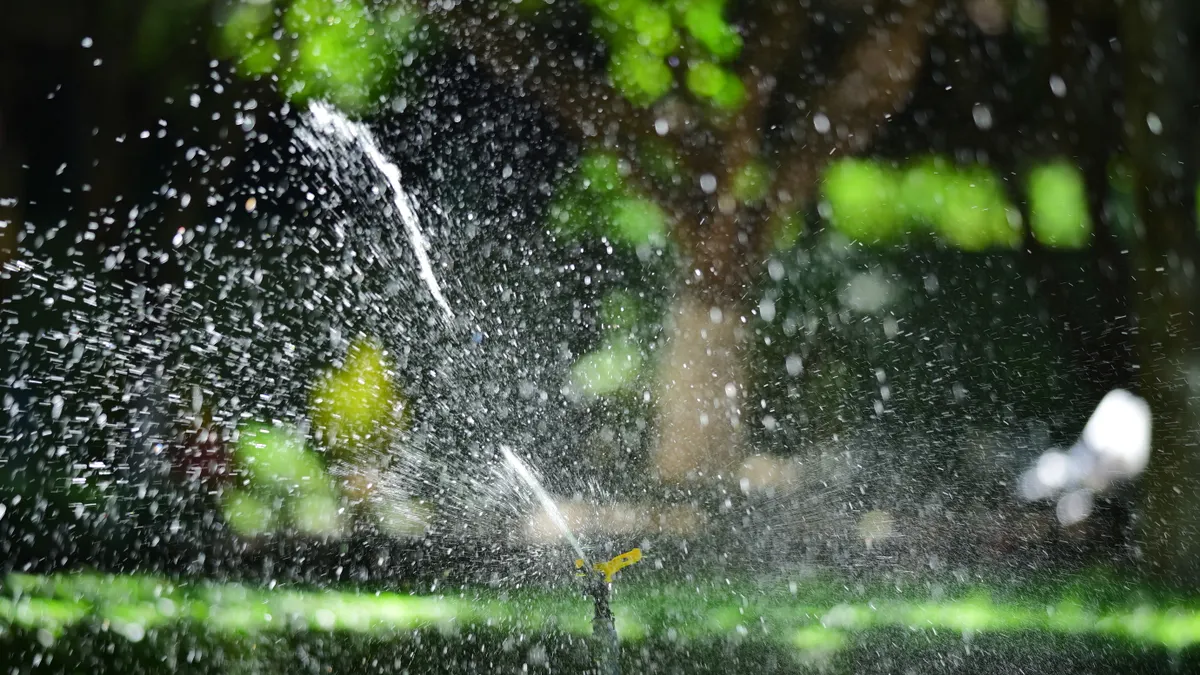
Both options water a lawn, both can be matched to the same local water pressure, and both can waste water if they are set up poorly. Neither is a substitute for good timing, proper head placement, or checking how much water your yard actually needs in the heat of summer. That is true whether you water 2 days a week or 5.
Both can also be part of a water-saving setup when used correctly. A hose-end sprinkler with a timer and a well-placed pattern can be perfectly adequate for a compact lawn, while an in-ground system can be efficient when zones are matched to plant type and sun exposure. The difference is that the in-ground system is built to do that as a routine job, while the hose-end setup depends more on the person using it.
The EPA estimates that landscape irrigation can account for a large share of residential outdoor water use. That makes smart setup more important than brand names.
Get the in-ground sprinkler system if …
You should call for an in-ground sprinkler system if your yard is medium to large, has several planting areas, or needs separate watering zones for sun and shade, because the buried layout handles those differences better than one movable sprinkler head. This is the better fit when you want to stop thinking about irrigation after the install is complete, unless you are only watering a small, flat patch of lawn.
A contractor is the right first call if the property has poor coverage now, if hoses cross walkways, or if you already know the lawn dries unevenly from one end to the other. That is especially true when the yard will be lived with for years, because the cleaner appearance and automated scheduling matter more over time than a lower entry price.
Pros
- Zoned watering lets a technician separate different parts of the property, so the front strip and back lawn do not need the same run time.
- Buried components keep the yard free of hoses, which means fewer trip hazards and a cleaner look during mowing.
Cons
- The install is more disruptive, so trenching and valve work can affect the yard before the system is finished.
- Hidden failures are harder to spot, which means a broken head or leak can waste water before you notice it.
Who should skip it
Skip an in-ground system if you rent, expect to move in the next year or two, or only need to water a small patch near a hose bib. It is also a poor fit if you want a no-commitment setup that you can store in a garage by winter.
Get the hose-end sprinkler if …
You should buy a hose-end sprinkler if your yard is small, your watering needs are temporary, or you need a simple answer while you save for a larger irrigation project. This is the better fit when you want low commitment and fast setup, unless your lawn has corners or long runs that one hose cannot cover cleanly.
A hose-end setup also makes sense when you need flexibility. If you reseed a patch, change planting beds, or only water part of the yard during dry spells, moving a sprinkler is easier than reworking a permanent system.
Pros
- The setup is quick, so watering can start the same day without trenching or a contractor schedule.
- The hardware is easy to replace, which means a broken hose or connector usually does not turn into a major repair.
Cons
- Coverage depends on where you place it, so awkward yard shapes can leave dry strips unless you keep moving it.
- Exposed hoses create clutter, which makes mowing and everyday use less convenient.
Who should skip it
Skip hose-end sprinklers if you want a permanent system, if the hose would have to run across a driveway or walkway, or if you already know you forget to move watering equipment. They are also a weak choice for larger properties where the setup time becomes a recurring chore.
How we compared
I compared the options from published product and service evidence, because this decision is not a product-to-product race so much as a service-style choice between a permanent irrigation install and a movable hose-end setup.
For this kind of local-service decision, the useful evidence is not brand hype. It is the job scope, the amount of yard disturbance, the coverage pattern, the maintenance burden, and what a contractor must account for before quoting the work.
Internal context also matters, so we point readers to our irrigation buying guides and home maintenance advice where relevant.
FAQ
Is an in-ground sprinkler system worth it for a small yard?
Yes, if the small yard has awkward angles, several planting zones, or you dislike moving hoses. If the lawn is truly simple and close to the house, a hose-end sprinkler is usually the more practical choice.
What makes one installation quote higher than another?
A quote rises when the yard needs more zones, longer trench runs, harder digging conditions, controller work, or added plumbing items such as backflow-related work where required by local code. A straightforward yard with easy access is generally cheaper to install than a property with tight access and multiple watering areas.
What is the biggest mistake people make with either option?
The biggest mistake is matching the sprinkler to the budget instead of the yard. A cheap hose-end sprinkler can be fine for a small lawn, but it is the wrong tool for complicated coverage; an in-ground system can be excellent, but only if the layout and zone design fit the property.
Can a hose-end sprinkler be a long-term solution?
Yes, if the yard stays small and the watering pattern is simple. It becomes a weak long-term solution when the hose route gets longer, the lawn grows more complex, or daily convenience matters more than upfront savings.
Final verdict
An in-ground sprinkler system is the better pick for most homeowners who want a yard-wide solution, because it solves coverage and convenience in a way a hose-end sprinkler cannot match once the property gets larger or more irregular. A hose-end sprinkler is the better pick for small, simple yards and short-term needs, because it keeps costs and commitment low.
The condition that flips the decision is yard complexity: if one hose can water the whole space cleanly, stay with hose-end; if you need zones, buried lines, or less day-to-day effort, call for an in-ground install.
Drafted with AI; not yet reviewed by a person.