Last updated: November 12, 2026
A sprinkler that won’t pop up, sprays a weak stream, or leaks after shutdown usually points to a stuck head, low pressure, a valve issue, or a controller fault. Quick answer: in most cases, one symptom points to 1 of 4 places—the head, the valve, the wiring, or the controller. The sections below sort the common sprinkler problems and what they mean, so the related questions are easier to answer and the next step is clearer.
If you’re staring at a dead zone or a soggy patch, you’re looking for the clue that saves time. Here’s the catch: the same symptom can have different causes, so the details matter. In the related questions about common sprinkler problems and what they mean, the first clue is often whether the issue is local or system-wide.
Key Takeaways
- A single bad head can make an entire zone look broken.
- Low pressure usually shows up as misting, short throw, or heads that barely rise.
- A zone that keeps running after the timer stops often points to a valve that won’t close.
- Dry spots, puddles, and tilted heads can all mean the system is out of balance, not fully broken.
- Backflow, wiring, and controller problems are the issues that most often need a pro.
Why is one sprinkler zone weak while the others look fine?
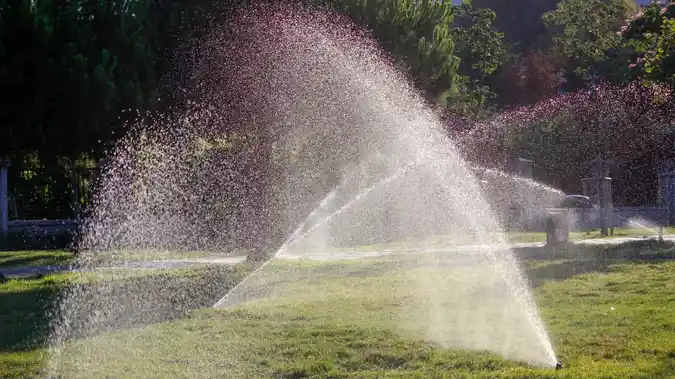
A weak single zone usually means the problem is local, not system-wide. In practice, that often points to one clogged nozzle, one broken head, one partially closed valve, or a pipe leak on that line.
Picture this: you turn on the system and every zone looks normal except the strip along the driveway. The heads lift, but the spray barely reaches the lawn. That pattern is a clue, not a mystery.
Common causes often include:
- A nozzle packed with grit or mineral buildup
- A cracked riser that leaks before pressure reaches the head
- A valve that opens only partway
- Too many heads on one zone, which drops pressure across the whole run
The best first check is the head itself. Remove the nozzle, rinse it, and look for chips or debris. If the zone still runs weak after that, the issue is farther back in the line. A zone with one weak head is often a nozzle problem; a zone with every head weak usually means pressure loss or a valve issue.
What does it mean when a sprinkler head won’t pop up?
A head that won’t rise usually means low pressure, blockage, or a damaged body. It can mean the controller is failing, but that is not the only possibility.
Picture this: the timer starts, you hear water moving, and one head stays buried. The lawn around it stays dry, then turns patchy a few days later. That head is telling you something specific.
Most common reasons:
- Dirt or pebbles jam the stem
- The spring inside the head is worn out
- The nozzle opening is blocked
- The supply line is leaking before enough pressure reaches the head
- The head is installed too low or buried under sod
A quick test is simple. Twist the head up by hand after shutting off the water. If it sticks or grinds, the body is likely damaged. If it moves freely but still won’t rise on its own, the problem is more likely upstream. A head that fails to pop up in a system with normal pressure elsewhere is rarely a controller problem.
Why is my sprinkler spraying mist instead of droplets?
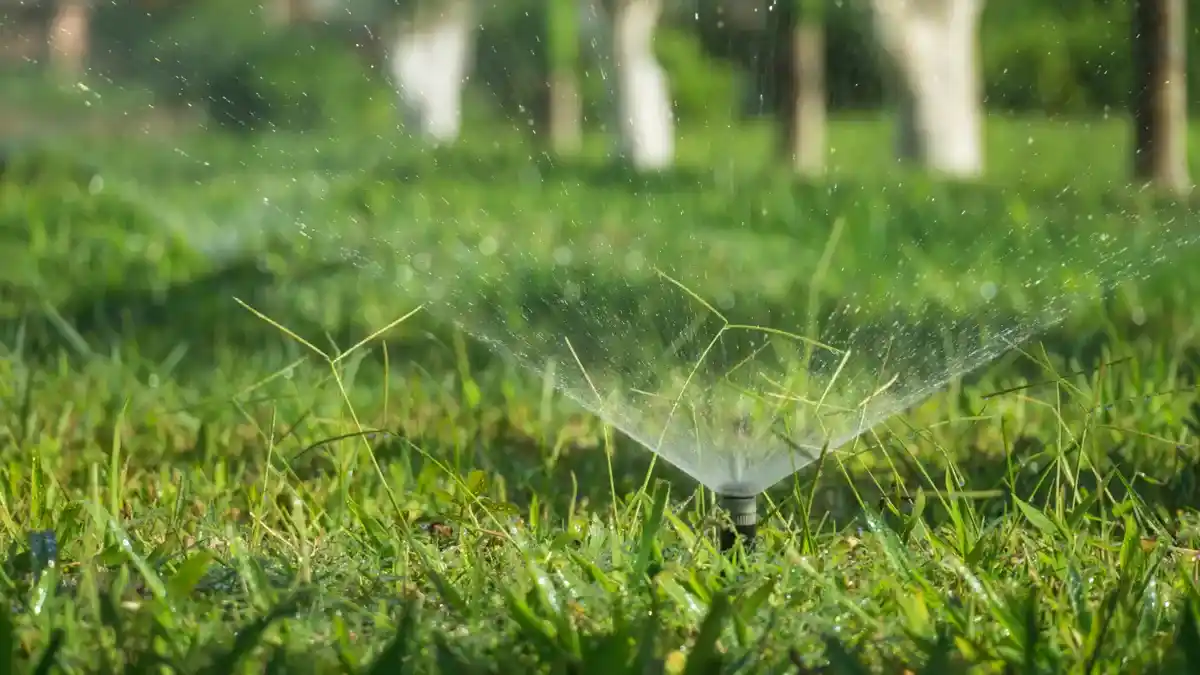
Misting usually means too much pressure at the head. The stream breaks apart before it reaches the lawn, which wastes water and leaves dry rings.
Picture this: the zone runs, but instead of a clean arc you see a foggy cloud drifting into the sidewalk. That’s not “better coverage.” It’s pressure pushing the nozzle past its range.
What it can mean:
- The system pressure is higher than the nozzle rating
- A pressure regulator is missing or failed
- A nozzle is the wrong size for that zone
- The head is a short throw model used where a larger pattern is needed
Misting matters because it changes how the whole zone performs. You can have full coverage on paper and still miss the soil because the spray never lands where it should. If the problem started after a new head was installed, check the nozzle size and type first. A matched nozzle set matters more than most people think.
Why does a sprinkler zone keep running after the timer stops?
A zone that keeps running usually means the valve is stuck open, the diaphragm is torn, or debris is trapped inside the valve. In plain terms: the controller told it to stop, but the valve didn’t close.
Picture this: the cycle ends, the display looks normal, and that one bed keeps getting soaked for another 10 minutes or longer. That’s the classic sign of a valve problem.
Common causes:
- Sand or grit under the diaphragm
- A torn diaphragm inside the valve
- A solenoid that won’t seat correctly
- Debris from old pipe work
- Wiring that keeps the valve energized when it shouldn’t
Here’s the catch: a valve that won’t shut off can flood a bed fast. If the water keeps flowing after the controller is off, close the main shutoff and inspect the valve box. A zone that runs after shutdown is usually a mechanical valve fault, not a scheduling mistake.
What should I check first?
Start with the controller display, then the valve box, then the wiring. If the timer shows the zone is off but the line keeps flowing, the valve is the suspect. If the display is still calling for that zone, the problem may be in the program or the wiring.
Why are there dry spots even though the system is running?
Dry spots usually mean poor coverage, blocked nozzles, or uneven pressure. The grass is telling you the spray pattern is missing part of the zone.
Picture this: one corner of the lawn stays brown while the rest looks fine. You check the timer, and it’s running every day. The problem is not always “not enough watering”; sometimes it’s “water not reaching that spot.”
The usual causes are:
- A nozzle that’s clogged or partly blocked
- A spray pattern aimed the wrong way
- Heads set too low and blocked by turf
- Pressure variation across the zone
- Large shrubs or edging blocking the spray path
This is where a zone map helps. If the dry spot is always in the same place, look at head placement first. If the dry spot moves around or comes and goes, look for pressure swings or a leak. A fixed dry patch is usually a coverage issue, not a watering schedule issue.
Why is there water pooling around a sprinkler head?
Pooling around a head usually means a leak at the head, a cracked fitting, or water draining from a low point after shutoff. A little wetness after a cycle can be normal; standing water is not.
Picture this: one head finishes, but a puddle stays there while the rest of the yard dries out. The soil gets soft, the head tilts, and the pattern gets worse each week.
Likely reasons:
- A broken seal at the riser
- A cracked body
- A loose threaded connection
- A low spot in the line where water drains after shutdown
- A valve that does not close completely
The puddle matters because it often creates a second problem. Soil around the head sinks, the head leans, and the spray arc changes. That small leak can turn into a bigger coverage failure. A persistent puddle is usually a sign of a real leak, not just overspray.
What does a buzzing sprinkler valve mean?
A buzzing valve usually means the solenoid is energized but not opening cleanly, or the plunger is dirty or failing. It can also point to a wiring issue that keeps the valve partially active.
Picture this: you hear a faint hum from the valve box, but the zone does not behave normally. Maybe it opens late, runs weak, or never shuts fully. That sound is the system asking for attention.
What to look for:
- Loose or corroded wire connections
- A solenoid that vibrates but does not click open
- Debris inside the valve assembly
- A valve that has started to fail mechanically
A buzzing valve can still let water through, which makes the problem easy to ignore until the zone acts up every day. If the buzz comes and goes with the cycle, the wiring may be part of it. If the buzz stays constant, the solenoid or valve body is more likely at fault. A steady hum is never a healthy sign.
The honest side-by-side: symptom, meaning, and likely fix
A symptom means more than a broken part; it points to where the failure sits in the system. That’s why the same lawn can show two different problems at once.
| Symptom | What it usually means | Common cause | First check | When to call a pro |
|---|---|---|---|---|
| One weak head | Local blockage or damage | Clogged nozzle, cracked head | Remove and rinse nozzle | If the body is cracked or buried too deep |
| Whole zone weak | Pressure loss or valve problem | Leak, partially open valve | Compare all heads on the zone | If several heads are weak at once |
| Head won’t pop up | Blocked stem or low pressure | Dirt, worn spring, leak | Lift the head by hand | If it sticks or leaks at the base |
| Mist instead of spray | Excess pressure | Wrong nozzle, missing regulator | Check nozzle type | If every head on the zone mists |
| Zone won’t shut off | Valve stuck open | Debris, torn diaphragm | Close the main shutoff | If water keeps running after the timer stops |
| Puddle at one head | Leak or drain-down | Loose fitting, cracked body | Inspect the head base | If the soil keeps sinking |
| Buzzing valve | Electrical or valve fault | Wiring, solenoid, debris | Listen at the valve box | If the buzz is constant |
The pattern matters more than the part name. A single symptom can come from different places, and the fix changes with the source. For the related questions about common sprinkler problems and what they mean, this table is the fastest way to narrow the likely cause.
When is it a quick fix, and when is it a bigger repair?
A quick fix usually means the head, nozzle, or setting is the problem. A bigger repair means the valve, wiring, or buried line is involved.
Picture this: you remove one nozzle, clear out sand, and the zone returns to normal. That’s a quick win. On the flip side, if the same zone keeps failing after two cleanings, the issue is deeper.
Quick fix signs:
- One head acts up while the rest of the zone works
- The problem started right after a nozzle change
- You can see obvious dirt, grass, or mineral buildup
- The issue is tied to one visible part
Bigger repair signs:
- Several heads fail together
- The zone leaks even after the heads are cleaned
- The controller, wiring, or valve box is involved
- Water pressure seems off across the entire zone
If the symptom is tied to a buried pipe or repeated valve failure, the repair often takes more than a simple part swap. A repeat failure is the clue that the real issue has not been found yet.
What if the problem only happens after rain or a cold snap?
That usually means weather is exposing a weak spot. Rain can shift soil, clog heads with debris, or make a drainage problem obvious. A cold snap can crack fittings or make stuck parts show up.
Picture this: the system looked fine last week, then a storm rolled through and now one zone won’t behave. The timing matters. Weather often doesn’t create the problem from nothing; it reveals the problem that was already there.
Watch for:
- Soil settling around heads after heavy rain
- Debris washed into nozzles
- Cracked PVC after freezing
- Frozen or stiff valve parts in cold weather
- Waterlogged soil that makes spray look worse than it is
A weather-linked failure often shows up in the same place every time. If that happens, check the same fitting, valve, or head after each event. A repeat weather pattern usually points to a weak component, not random bad luck.
FAQ
Why does my sprinkler head leak after the zone shuts off?
A head that leaks after shutdown usually has a bad seal, a cracked body, or a valve that is not closing completely. If the leak continues for several minutes, the valve box is a good place to inspect next.
Can one bad sprinkler head affect the whole zone?
Yes. One damaged head can lower pressure, distort spray, or create a leak that changes how the entire zone performs. If every head on the same line looks weak, the issue is probably upstream.
Why do my sprinklers run but the lawn still looks dry?
The most common reason is poor coverage, not a bad schedule. The spray may be blocked, misaligned, misting, or landing in the wrong place, so the soil never gets enough water where it counts.
Is a buzzing sprinkler valve dangerous?
A buzzing valve is usually a sign of electrical or mechanical trouble, not an emergency by itself. It should not be ignored, though, because a failing solenoid or wire problem can keep the valve from opening or closing correctly.
What’s the first thing to check when a sprinkler zone fails?
Start with the visible head in the problem area, then check the valve box, then look at the controller setting. That order catches the most common causes without jumping straight to buried-line repairs.
The bottom line
A sprinkler problem is usually a clue, not a mystery. Weak spray, no pop-up, puddles, mist, buzzing, and runaway zones each point to a different part of the system.
Start with the symptom you can see. That’s the fastest path to the real cause.
Drafted with AI; not yet reviewed by a person.