Last updated: November 10, 2026
Key Takeaways
- The permit office usually wants the installed assembly, a certified test, and an accepted report.
- The test usually happens between completion and closeout, where scheduling errors are common.
- A certified backflow tester should do the work, and the report must satisfy the permit office.
- Backflow tests usually happen annually after the first approved test, though local code can change that interval.
Yes, Do You Need a Backflow Test for a New Irrigation System? often has a yes answer before a permit can close out. Many permit offices also require a certified backflow tester to file an inspection report. The exact timing depends on local code, but the safe assumption is that the test happens near final inspection, not months later.
Do You Need a Backflow Test for a New Irrigation System?
A backflow test is commonly required on a new irrigation system when the backflow preventer is installed, the permit is active, and the permit office wants proof that the assembly works before final approval. If the system connects to potable water, the city or county usually wants a certified backflow tester to document the device before the job is considered complete.
That is the short answer a homeowner or contractor usually needs. The longer answer is that the requirement is often tied to permit closeout, not to the first time the sprinklers run. A brand-new system may be physically finished on day one, but the inspection report can still be pending until the backflow test is done and submitted. In many places, the permit office will not issue final sign-off without that paper trail.
There is a key distinction here. The test is about the backflow preventer and the compliance record, not about proving the sprinkler heads spray correctly. If the jurisdiction requires a reduced pressure principle assembly, a pressure vacuum breaker, or another approved device, the assembly must usually be tested with a proper test kit by someone certified for that work. The homeowner does not usually submit a casual self-check and call it complete.
This matters because new-installation schedules can be tight. The irrigation crew, the plumbing subcontractor, the inspector, and the backflow tester may all be working on different clocks. If one of them misses the permit closeout window, the job can sit open even though the landscape is already watered. That delay is annoying, but it is better than discovering the paperwork gap after the seasonal deadline has passed.
For a broader look at code compliance and cross-connection safety, the hub guide on backflow, code compliance, and cross-connection safety explains the larger framework without getting lost in device details.
What the permit office usually wants before final approval
The permit office usually wants three things: the installed assembly, a valid test by a certified backflow tester, and a submitted inspection report. That trio is what moves a new irrigation system from “installed” to “approved.”
Most readers think the permit ends when the last valve is wired. It does not. The permit office is checking that the water supply is protected and that the testing happened at the right time. On a new install, that time is often after the backflow preventer is in place, after the line is pressurized, and before the final permit closeout. Some jurisdictions want the test within the same day as inspection; others accept a report filed after the inspector visits, as long as the dates line up with local rules.
A practical way to think about it is this:
- The system is installed and connected.
- The backflow preventer is accessible.
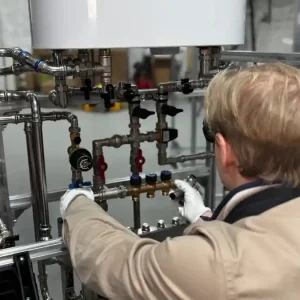
- A certified backflow tester uses a test kit to check the assembly.
- The tester records readings on the inspection report.
- The permit office uses that report to close the permit.
That process is normal for both small residential systems and larger commercial properties. The form changes, but the logic stays the same. If the site has a meter, a dedicated irrigation line, or a city-mandated assembly model, the office may care about exact device labeling as well as test results.
A common mistake is assuming the installer can leave the test for “later” because the irrigation still runs. That choice often costs another inspection visit or delays final approval. The better move is to schedule the tester before the crew demobilizes, especially when trenching, concrete, or gate access makes a return trip expensive.
If the permit office has a checklist, follow that checklist rather than a generic online guide. Local code beats general advice every time, and a city may require one extra copy of the inspection report or a particular signature block on the form. For a local process check, the permitting checklist can help keep the paperwork in order.
How the test fits into a new-installation schedule
The test usually fits between mechanical completion and permit closeout, and that is the point at which most scheduling mistakes happen. On a new irrigation system, the backflow assembly should be installed, accessible, and ready for testing before the inspector arrives or at least before the permit file is closed.
A good working schedule looks like this:
- Finish the piping, valves, controller wiring, and backflow installation.
- Leave clear access to the assembly so the tester can attach the test kit.
- Book the certified backflow tester for the same week as final inspection.
- Have the tester complete the report while the permit is still open.
- Submit the report to the permit office immediately, because some offices will not process closeout without it.
That order saves time. It also avoids the awkward situation where landscaping is complete but the utility or city will not sign off because the assembly has not been tested yet. On jobs with tight planting windows, this can matter a lot. A permit that sits open can complicate seasonal watering plans, especially if the property owner expected the system to be fully operational before summer.
There is also a simple access issue. A tester may need enough space around the device to connect a test kit and read gauges. If the assembly is boxed in behind a fence, buried by mulch, or blocked by a cabinet door that only opens 12 inches, the test can be delayed for something as basic as reach. That is not a code issue; it is a site-prep issue.
The trade-off here is obvious: moving the test earlier can keep the permit moving, but scheduling too early can backfire if the assembly is not yet final or if the water service is not live. The right moment is when the device is installed, accessible, and stable enough to test once. Test too soon and you risk a repeat. Test too late and the permit stays open. The final inspection guide and inspection report template can help line up that timing.
Who can do the test, and what papers should come back
A certified backflow tester should do the test, and the paper trail should include an inspection report that the permit office accepts. That is the standard most new irrigation projects run into, and it is the place where DIY assumptions cause the most trouble.
The reason is simple: a backflow test is not a visual once-over. It involves a test kit, pressure readings, and a documented result. Many jurisdictions require the tester to hold current certification through a recognized program. The exact program name varies by location, but the office usually cares that the tester is authorized under local rules and that the test form is filled out correctly.
When the test is done right, the paperwork usually shows:
- the assembly type and location;
- the date of the test;
- the gauge readings from the test kit;
- the tester’s certification information;
- the result, pass or fail;
- the next due date for annual testing, if the local code requires it.
That last item matters even on a new install. Some property owners think annual testing starts a year after they first notice the sprinklers working. In practice, the countdown often starts from the date of the approved test or permit closeout, depending on local requirements. That is why the report should be filed and kept with the property records.
A generic article would stop at “hire a pro.” That is not enough. The useful question is which pro, with what paperwork, and for whom. If the tester cannot provide a report the permit office recognizes, the test may be functionally useless even if the assembly passed. In a compliance process, the form is part of the result.
This is also where a cheap shortcut can become expensive. If someone without the right credential tests the assembly, the owner may still have to hire a certified backflow tester afterward and pay for a second visit. That is wasted money and wasted time, and it can keep the permit from closing on schedule. The licensed tester directory is a practical place to start.
How often do backflow tests happen after the first one?
Backflow tests usually happen annually after the first approved test, though local code can shorten or extend that interval. For a new irrigation system, the first test closes the permit; later tests keep the system on record and in compliance.
Annual testing is common because the assembly is a mechanical device with seals, springs, and internal parts that can drift over time. Even if the system is used lightly, the city may still require a yearly check. The inspection schedule is not based only on how often the sprinklers run. It is based on the protection the water supply needs.
That means a new system owner should ask two questions, not one: “Was the initial permit closeout test completed?” and “When is the next annual test due?” The answers are not always the same date. If the system was completed in May and the local jurisdiction wants annual testing, the next test may be due the following May, or it may follow a jurisdiction-specific cycle tied to the permit office database.
A few common mistakes show up here:
- assuming the installer will file the next test automatically;
- mistaking a sprinkler performance check for a backflow inspection;
- forgetting that a new property sale can trigger record requests;
- waiting until the permit office sends a reminder, which may arrive after the due date in some places.
The cost of that mistake is usually administrative at first: extra notices, possible noncompliance fees, and another appointment. On some properties, especially those with more than one water service or a commercial site, the paperwork gap can become a bigger headache than the test itself.
The better habit is simple. Keep the inspection report with the permit documents, note the due date on the calendar, and schedule the next certified backflow tester before the busy season starts. A 30-day lead time is often enough to avoid scrambling, though the exact window depends on local appointment demand. For annual tracking, the backflow testing schedule can make the date easier to track.
When a new system does not need a separate backflow test
A new system may not need a separate backflow test only when the permit office does not require one for that specific installation or when the backflow testing was already completed as part of the approved closeout sequence. That is the exception, not the default.
This is where people get tripped up. They assume a new irrigation system means a new test every single time, or they assume the installation inspection itself covers everything. Neither assumption is safe. The real answer depends on the local permit conditions, the type of backflow preventer installed, and whether the final inspection report already includes the certified test.
In some small jobs, the assembly may be installed and tested the same day the rest of the work is inspected. In that case, there is no separate later visit because the compliance step was folded into the closeout process. In other cases, the permit office might allow the permit to remain open only until the report is submitted, which means the “separate” test is really just a required step before final approval.
This is also the point where a professional is worth calling if the rules are unclear. A permit office can tell you what it wants, but a certified backflow tester or local irrigation contractor familiar with the jurisdiction can often tell you how the office handles the timing in practice. That does not replace the permit office; it helps you avoid a back-and-forth that can drag on for days.
The honest limitation is this: I cannot tell you from a distance whether your city requires testing on the same day as final inspection, before occupancy, or on a specific annual cycle. Local rules decide that. If the system is new, your safest move is to assume the test is required until the permit office says otherwise in writing.
When is a backflow test required?
A backflow test is required when the permit office, local code, or water utility makes it part of approval for the irrigation system. On a new installation, that is often before permit closeout and sometimes before final inspection is signed off. The exact timing depends on the jurisdiction, so the permit conditions and inspection report should be checked first.
Who can test a backflow preventer?
A certified backflow tester can test it, usually with an approved test kit and the right local credential. The permit office typically will not accept a casual homeowner check as a substitute. If the report is going to close the permit, the tester’s certification and form must match what the local authority expects.
How often do irrigation backflow tests happen?
Backflow tests for irrigation systems often happen once a year after the first approved test, but local rules can set a different schedule. A new system usually needs the initial test for permit closeout, then future tests on the inspection schedule the jurisdiction requires. Keep the report and due date together so the next one is not missed.
Drafted with AI; not yet reviewed by a person.